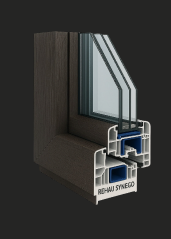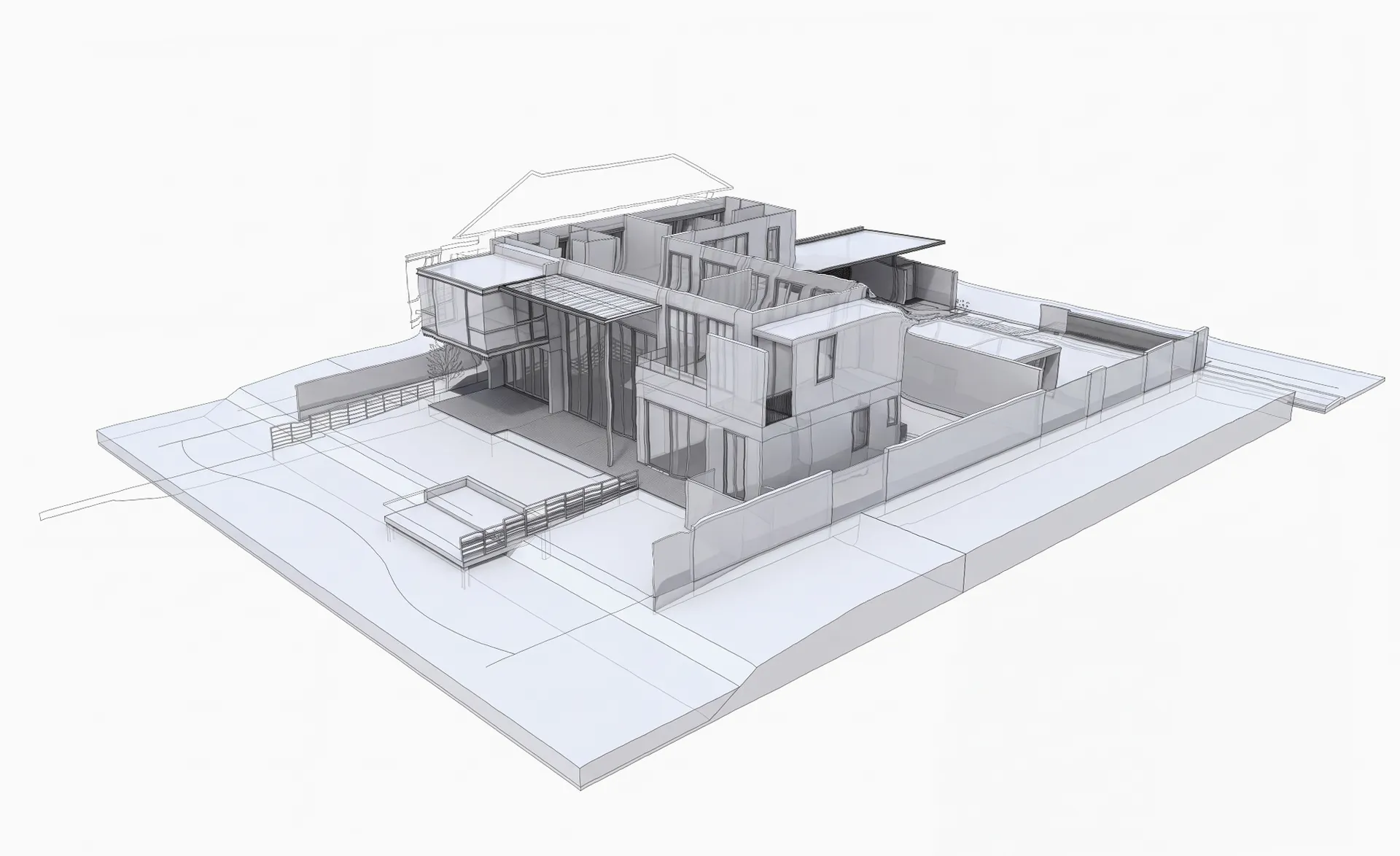



Sound behaves like water: it does not have to get through the wall if there is a gap somewhere along the edge of it. That single fact decides the order of work on a noise job, and it is the reason a modest window sealed properly can beat an expensive one that is not.
Sound finds the gap before it finds the glass
Fix the sealing before buying glass. A window that does not close evenly, a gasket gone hard, an unsealed joint between the frame and the wall behind the plaster — any one of those hands the noise a route that goes round the pane entirely, and the finest acoustic unit made will not close it. On tired windows the gaps are usually worth more than any upgrade to the glass would be.
The sash has to be pulled into its seals along the whole contour, not held at the handle while the far corner rests loose. That is a matter of the hardware and its adjustment as much as the rubber: a locking system that engages at several points around the frame pulls the leaf in evenly, and a single latch does not. It is also why a sash that has dropped slightly over the years starts letting noise past long before anyone notices dust or hot air getting in.
The joint around the outside of the frame is the one nobody can see and the commonest leak on a retrofit. If the gap between the frame and the structure was foamed loosely and covered with a bead of silicone, it is an open channel with a decorative lid. Packed properly and sealed on both faces, it stops being a route at all.
What the glass build changes, and what it is answering
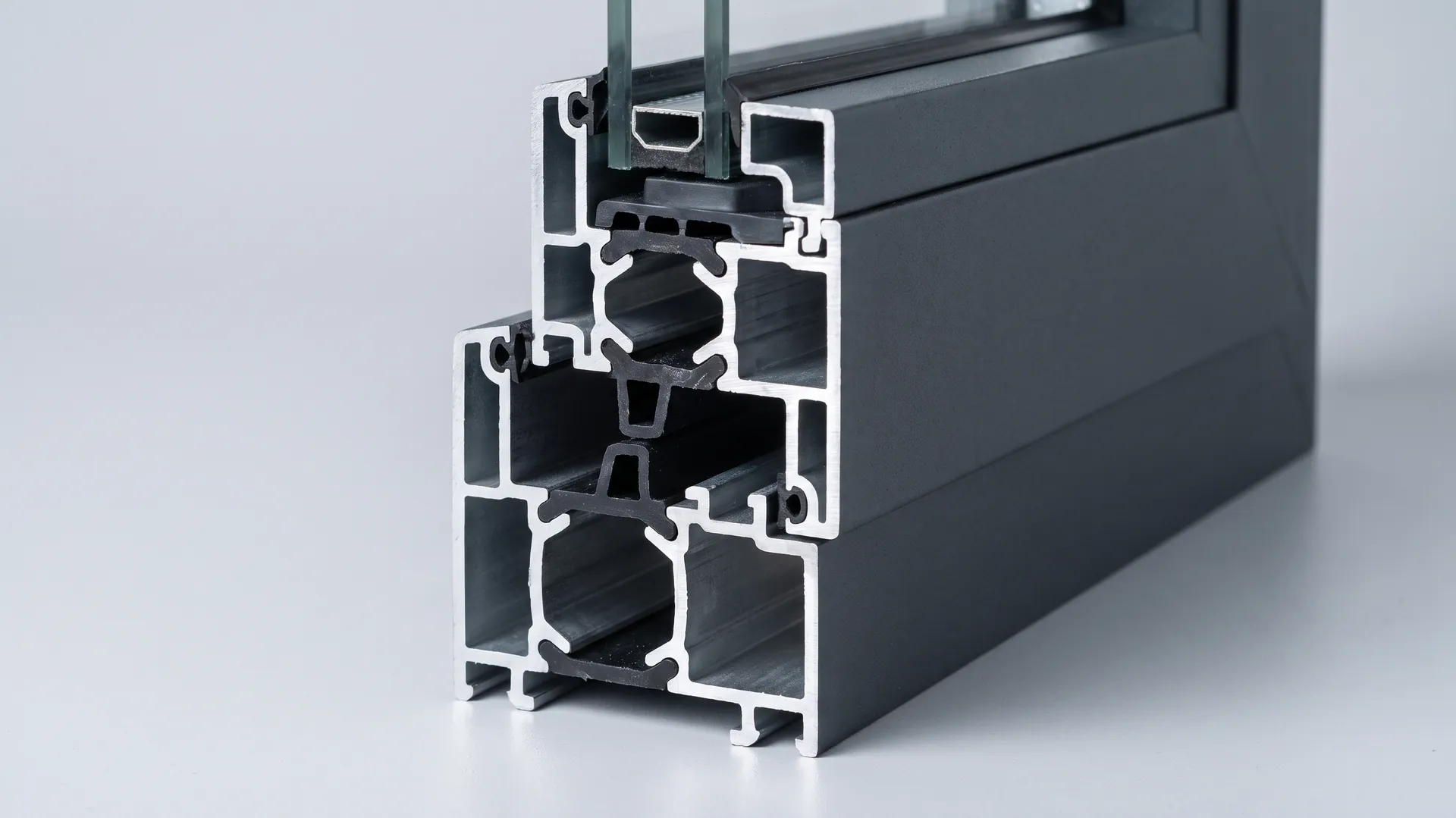
Two things make a unit quieter: panes of unequal thickness, and a laminated pane with a soft acoustic interlayer. Identical panes resonate at the same pitch and hand sound straight to one another, so a matched pair always has a frequency it lets through cheaply; give them different thicknesses and each is weak somewhere else. The interlayer then damps the vibration in the pane it is bonded into rather than passing it on.
Which of those does the heavy lifting depends on what is outside, and this is where a motorway and a flight path part company. The hiss of tyres on tarmac and the clatter of a site is mostly higher-pitched, and laminate and mismatched panes deal with it well. The rumble of heavy lorries and the low body of an aircraft on approach sits much lower down, and low frequencies are answered by mass and by a wider cavity rather than by an interlayer. Since the frame has a fixed glazing rebate, widening the cavity and thickening the panes compete for the same depth — which is why the survey asks what you are actually listening to before anything is drawn.
It is worth saying plainly that this is a build-up rather than a product. The acoustic pane and a solar-control coated pane are simply different panes of one sealed unit, so a west-facing bedroom over a main road takes both jobs in a single unit. The result is heavier, and the hinges, the handles and the structural calculation have to be sized for it at the drawing stage rather than discovered when the sash starts to drop.

What to expect, honestly
The noise drops and changes character; it does not disappear, and anyone promising silence is selling something. What goes is the sharp edge — individual vehicles, the slap of a joint in the road surface, the whine on take-off — and what remains reads as a distant hum you stop attending to. For most people that is the difference between sleeping with the room as it is and not.
Two things surprise clients afterwards. The first is that a quieter room reveals sounds that were always there: the air conditioning, the fridge, the lift shaft behind the wall, a neighbour's door. Nothing has got louder; the traffic was simply masking them. The second is that the ear re-normalises within a week or two, so the dramatic first evening settles into a new ordinary — which is worth knowing before you judge the result on day ten.
How much you gain also depends on the room, not just the window. Hard floors, glass and bare plaster keep whatever comes in bouncing around; rugs, curtains and soft furniture take the top off it. On a job where the glazing is already good, the cheapest remaining improvement is often furnishing rather than glass.
The routes that are not the window
Before quoting glass it is worth establishing that the window is the problem. The usual competitors are the air-conditioning penetration through the outside wall, a ventilation grille, the gap around a service riser, a roller shutter box above the opening, and the balcony door — which is larger, opens more often and is very often the leakiest thing on the elevation. A lightweight partition wall onto a corridor can also carry more than people expect.
There is a quick check anyone can do. Stand in the room with the window shut, then have someone open it a hand's width: if the noise jumps immediately and dramatically, the window is doing real work and improving it will pay. If it barely changes, the sound is arriving by another path, and new glazing will be an expensive way of finding that out.
The same logic applies inside a tower. Noise from a lift motor room, a plant deck or a car-park ramp arrives through the structure rather than the air, and structure-borne sound is not a glazing problem at all. Saying so before the quote is written is part of the job; we would rather lose the order than sell a unit that cannot address what you are hearing.
A sealed flat still has to breathe
This is the part that catches people out. Older windows leaked, and that leakage was quietly supplying the flat with fresh air nobody had to think about. Seal the openings properly and that supply stops with it: the bedroom feels stuffy by morning, cooking smells hang about, and condensation that never used to appear starts turning up on cold surfaces. The window did nothing wrong — it did exactly what it was bought to do.
So the fresh-air route gets agreed with the glazing rather than after it. In most Dubai towers there is already a fresh-air supply feeding the fan coil unit, and it is worth finding out whether yours is connected and running before assuming anything else is needed — a surprising number have been blanked off during a fit-out. Where there is none, an acoustic ventilator through the wall lets air in along a lined path that noise finds much harder to follow than an open window does.
There are also options in the window itself. A tilt-and-turn sash can be left tilted at a quiet hour to air a room quickly and then shut, which is a far better pattern than leaving something on a latch all night. On villas, mechanical ventilation solves it properly for the whole house. What matters is that somebody decides how the room gets its air before the glazing is fitted, instead of discovering the question on the first warm night.
Close the gaps, then choose the build for the source you actually have, then furnish the room. In that order a motorway or a flight path becomes a background you can live with rather than an event every few seconds — and the flat still needs a deliberate route for fresh air once the accidental one has been sealed up.