Skip to content
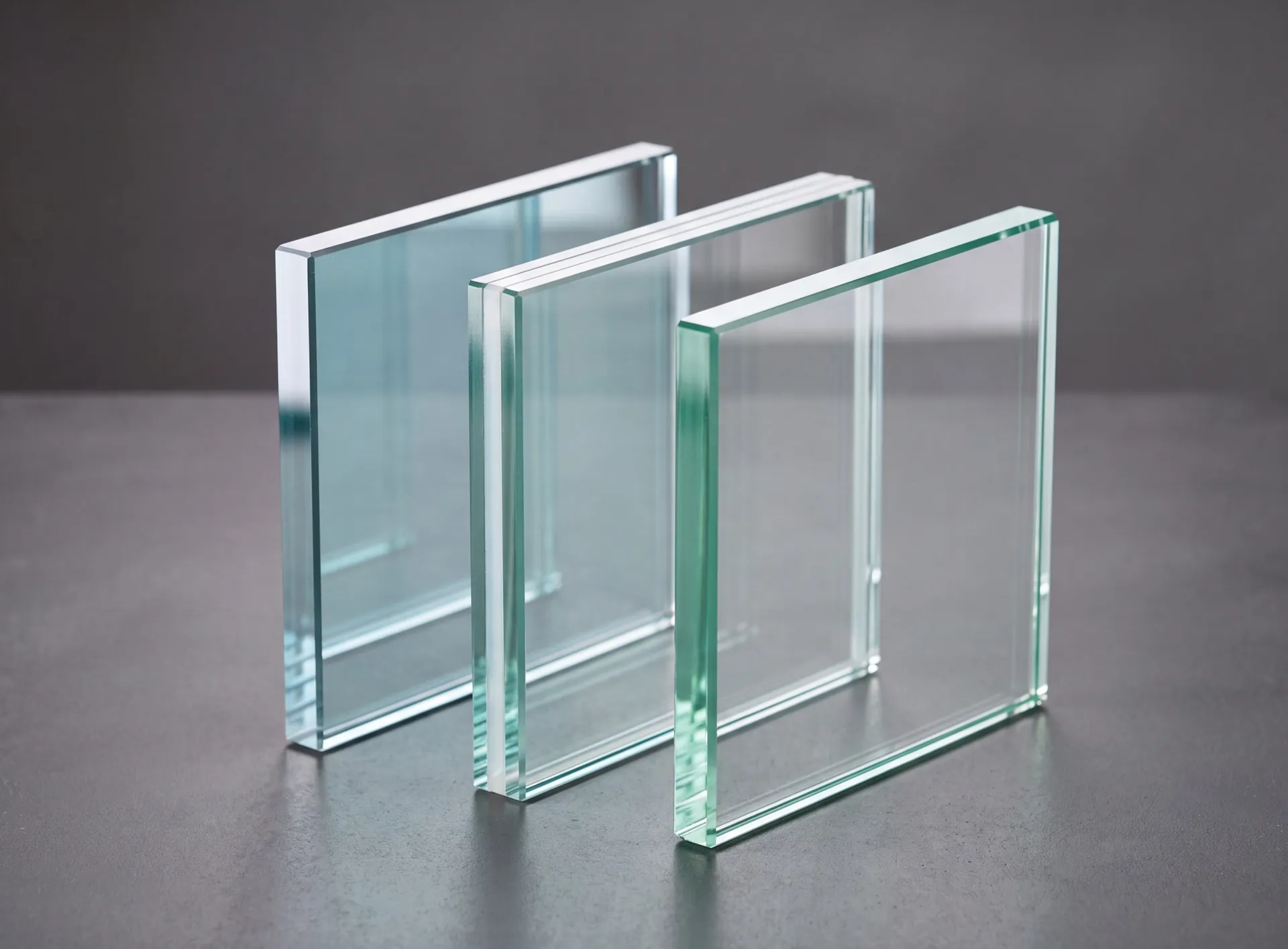
Architectural glass samples standing on edge showing a clear pane, a laminated pane with a visible interlayer and a low-E coated pane with a faint blue-green tint
  • GUIDE
  • BEFORE YOU BUY

A plain guide to glass types

Most glass decisions come down to three independent questions: how the pane behaves if it breaks, how much heat it lets through, and how many panes there are. Almost every product name you will see in a quote is a combination of answers to those three.

Published · updated · 5 min read

  • how it breaks the safety question
  • what it lets in the heat question
  • free survey specified per opening
Request a call

In short: tempered glass is heat-treated so it is stronger and breaks into small blunt granules. Laminated glass is two panes bonded by a plastic interlayer, so it holds together when broken. Low-E is an invisible coating that reflects heat. An insulated unit is two or more panes sealed with a gap between them. These are not alternatives — most good glazing here is several of them at once.

Tempered glass: stronger, and it breaks safely

Tempering is a heat treatment. The glass is heated close to softening and then cooled rapidly, which locks the surface in compression. The result is several times stronger than ordinary annealed glass and considerably better at surviving the temperature differences a facade sees here between shaded and sunlit areas of the same pane.

The more important property is how it fails. Instead of long sharp shards, tempered glass shatters into small granules with dull edges. That is why it is required in doors, in glass beside doors, in shower screens and in anything at low level that a person could walk into.

Two consequences follow. It cannot be cut, drilled or edge-worked after tempering — every hole and cut-out has to be made before the treatment, which is why a change of mind about a handle position means a new pane. And when it does break, it breaks completely: the whole panel goes at once, rather than cracking and staying put.

Laminated glass: it stays in the frame

Laminated glass is two or more panes bonded to a tough plastic interlayer under heat and pressure. Broken, it cracks but holds together, because the fragments stay stuck to the interlayer. That single behaviour is why it is the right glass anywhere a falling pane would be dangerous.

It is mandatory thinking for anything overhead — canopies, skylights, glass roofs — and it is the sensible specification for balustrades, for full-height glazing on upper floors, and for any opening where a broken pane would leave a hole into an apartment.

It brings two useful side effects. The interlayer blocks almost all ultraviolet, which slows the fading of furniture and floors — a real benefit at this latitude. And it damps sound noticeably better than a single pane of the same thickness, which is why acoustic glass is usually laminated with a special interlayer.

Laminated and tempered are not rivals: the best specification for a balustrade or a large door is usually toughened-laminated, which is both.

Low-E and solar control coatings

A low-emissivity coating is a microscopically thin metallic layer on the glass surface. It is nearly invisible — a faint blue-green cast at an angle — and it reflects heat radiation while letting visible light through. In a cold climate it keeps warmth in. Here it does the reverse and far more usefully: it turns back a large part of the sun's heat before it enters the room.

Solar control coatings are the same idea pushed further, and they are the single most effective glass choice for this climate. The trade is light: the more heat a coating rejects, the more it tends to dim and tint the view. The balance between the two is a genuine design decision rather than a case of buying the strongest available.

The coating is delicate and always faces into the sealed cavity of an insulated unit, where it cannot be touched or cleaned. That is one reason low-E is nearly always part of a double-glazed unit rather than a single pane.

Insulated units: how many panes, and what is between them

An insulated glass unit is two panes — occasionally three — held apart by a spacer bar around the edge and sealed. The gap does the insulating, either with dry air or, better, with argon, which conducts heat less readily.

The spacer matters more than people expect. A traditional aluminium spacer conducts heat around the edge of the unit, which is where condensation first appears; a warm-edge spacer of plastic or stainless reduces that. On a large unit it is a small cost and a visible difference at the perimeter.

The seal is what determines the unit's life. If it fails, moisture enters the cavity and the unit fogs internally — the misting between the panes that cannot be cleaned. That is a manufacturing and installation question, and it is worth asking what the edge seal specification is on a large order.

What to specify where

Windows and sliding doors on a home here: a double-glazed unit with a solar control or low-E coating on the outer pane, tempered where the size or position requires it. This is the combination doing the real work against heat.

Balustrades and anything overhead: laminated, and normally toughened-laminated. The interlayer is not optional in these positions.

Shower screens and internal doors: tempered. Heat performance is irrelevant indoors; safe breakage is the whole requirement.

Rooms facing a road or flight path: laminated with an acoustic interlayer, in an insulated unit with panes of different thicknesses. Two identical panes resonate together; different thicknesses do not, and that asymmetry is a large part of how acoustic glazing works.

Ask two questions of every pane: what happens if it breaks, and how much of the sun does it stop. The first is settled by tempering or lamination and is a safety matter with a right answer; the second is a balance between heat and daylight, and that one is genuinely yours to choose.
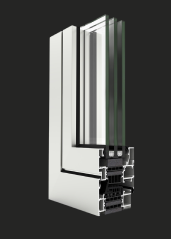
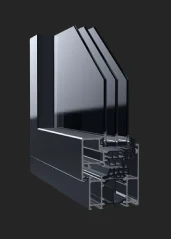
Profile Systems

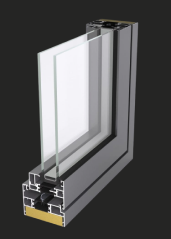
  • Schuco aluminium profile system cross-section

    Schuco

    Schüco aluminium systems carry large panes on slim frames — for villas, apartments and offices where the view matters.

    Learn more about Schuco
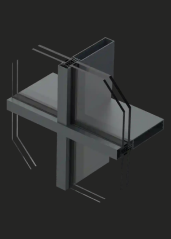
  • GUTMANN aluminium profile system cross-section

    GUTMANN

    GUTMANN systems are offered by Gutmann Middle East LLC, based in Dubai Investments Park: hinged windows and doors, sliding and lift-and-slide doors, curtain walls and glass railings

    Learn more about GUTMANN
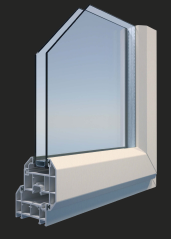
  • Deceuninck uPVC profile system cross-section

    Deceuninck

    Deceuninck uPVC profiles are designed in Belgium for superior insulation, weather resistance and a sleek finish. A popular choice for energy-efficient homes across Europe

    Learn more about Deceuninck
  • Cortizo aluminium profile system cross-section

    Cortizo

    Cortizo aluminium systems combine precise Spanish engineering with high thermal and acoustic performance. A reliable choice for windows, doors and facades that need to perform in demanding climates

    Learn more about Cortizo
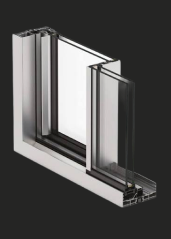
  • Gulfex Montana 120 aluminium profile system cross-section

    Montana 120

    Montana 120 is a thermal-break sliding series from Gulfex (Gulf Extrusion LLC), with the profile extruded here in Dubai. A straightforward choice for sliding windows and balcony doors of ordinary size

    Learn more about Montana 120
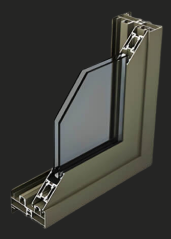
  • Gulfex TB-600 aluminium profile system cross-section

    TB-600

    TB-600 is the thermal-break hinged window and door series of Gulfex (Gulf Extrusion LLC). The profile is extruded in Dubai, and the same maker covers sliding, folding and curtain-wall systems

    Learn more about TB-600
  • ALUK aluminium profile system cross-section

    ALUK

    ALUK is an Italian aluminium systems brand known for slim, minimalist frames that maximise glass area without compromising strength. Perfect for architectural projects that call for a light, contemporary look

    Learn more about ALUK
  • Vetromax glazing system profile

    Vetromax

    Vetromax combines advanced glazing technology with aluminium framing for maximum light, strength and energy efficiency. A modern solution for panoramic windows and glass facades

    Learn more about Vetromax
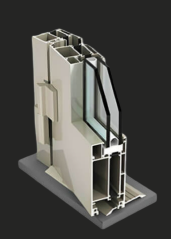
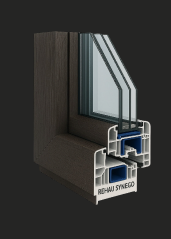
  • REHAU uPVC profile system cross-section

    REHAU

    REHAU uPVC systems are engineered in Germany for outstanding thermal insulation, soundproofing and long-term durability. A proven choice for energy-efficient windows and doors worldwide

    Learn more about REHAU

Let's calculate
the cost of glazing

Get a free calculation for your windows — just leave your number, we'll reply on WhatsApp within 15 minutes.

Three-storey villa with panoramic aluminium glazing and a branded Aluminum Windows car in the driveway
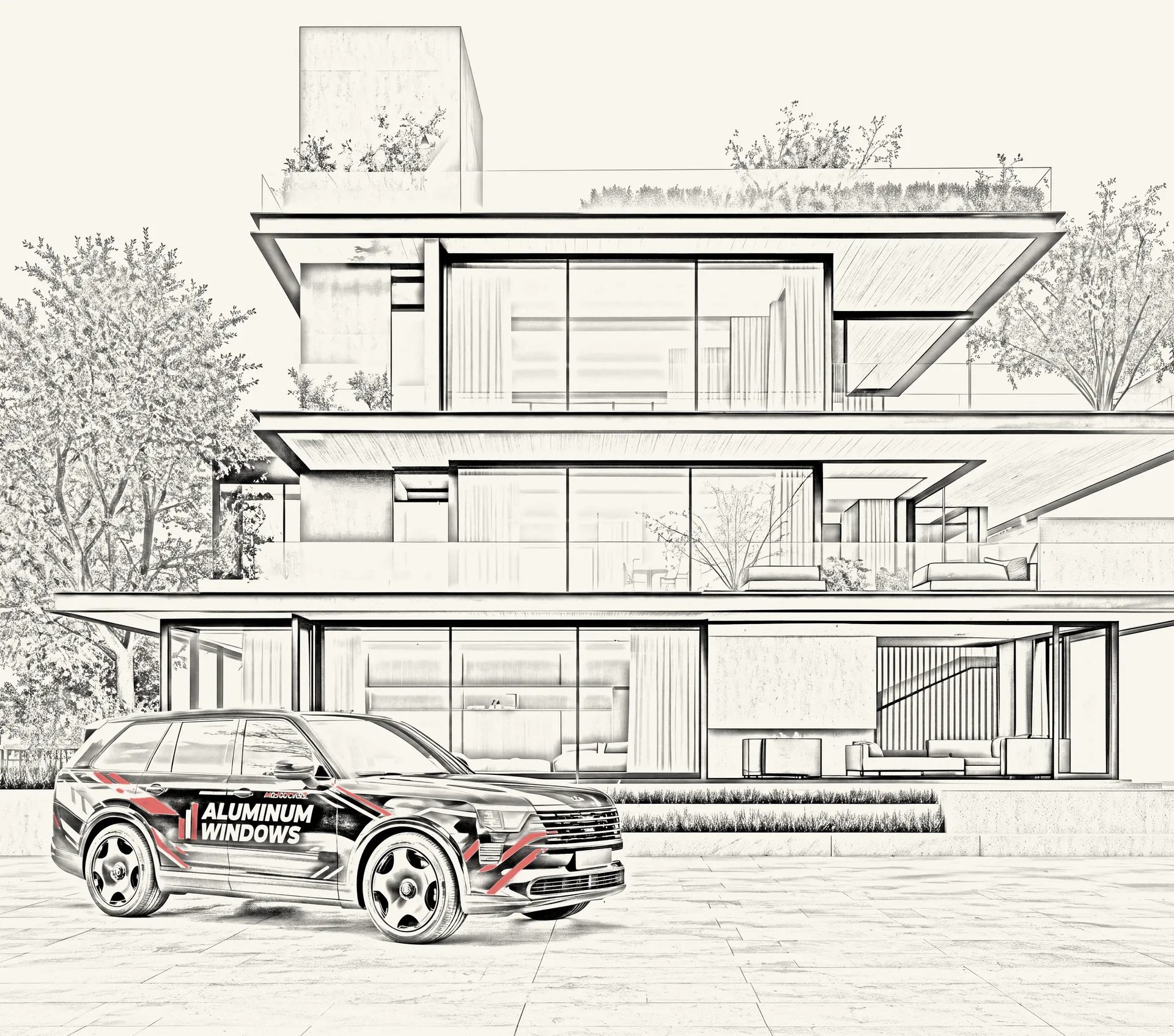
The same villa drawn as a pencil sketch — the design stage of the glazing project

Why choose aluminium windows?

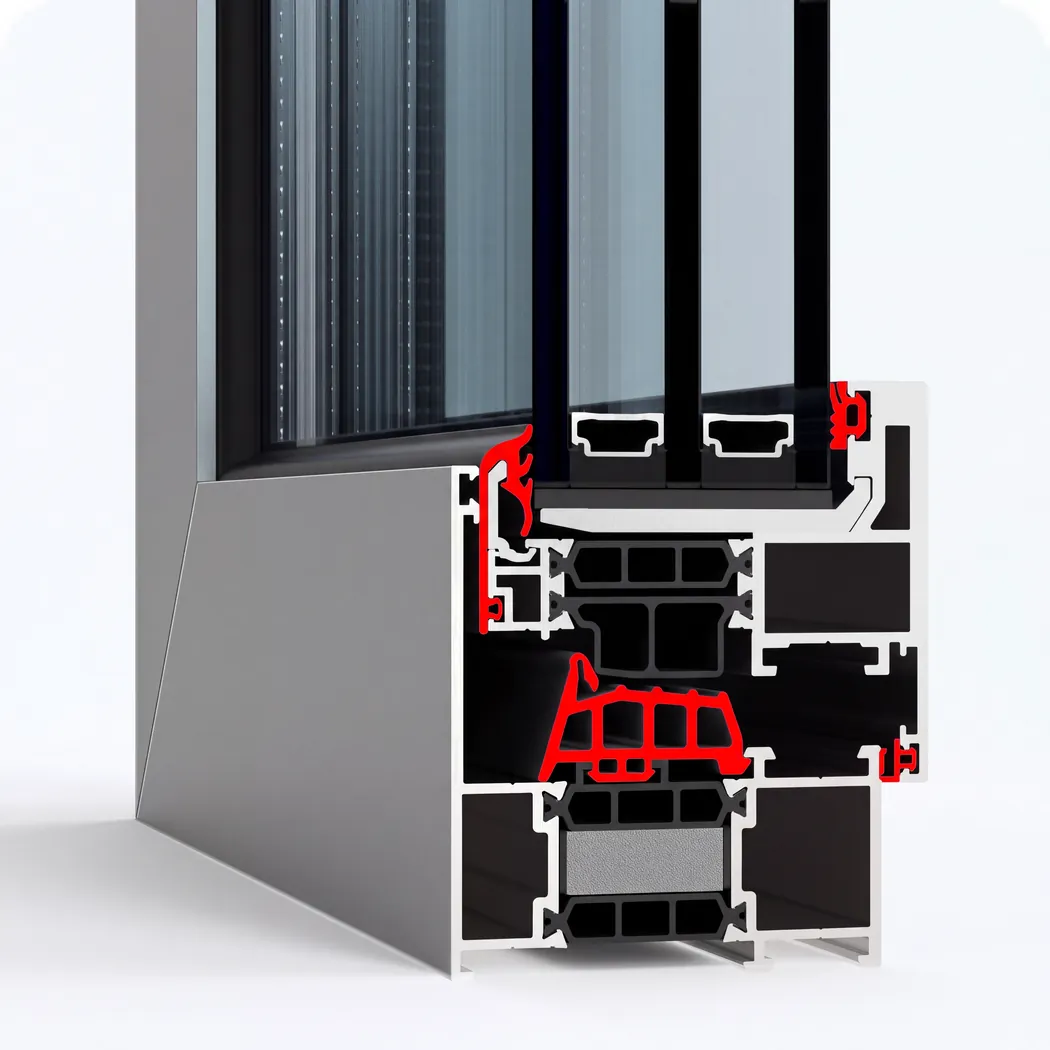
  • Aluminium window profile cross-section with three EPDM seal contours highlighted in red

    Durable EPDM seals

    Three contours of EPDM seals keep the glass off the aluminium and close the gap between sash and frame, so dust, humid salt air and wind-driven rain stay outside.

    Learn more
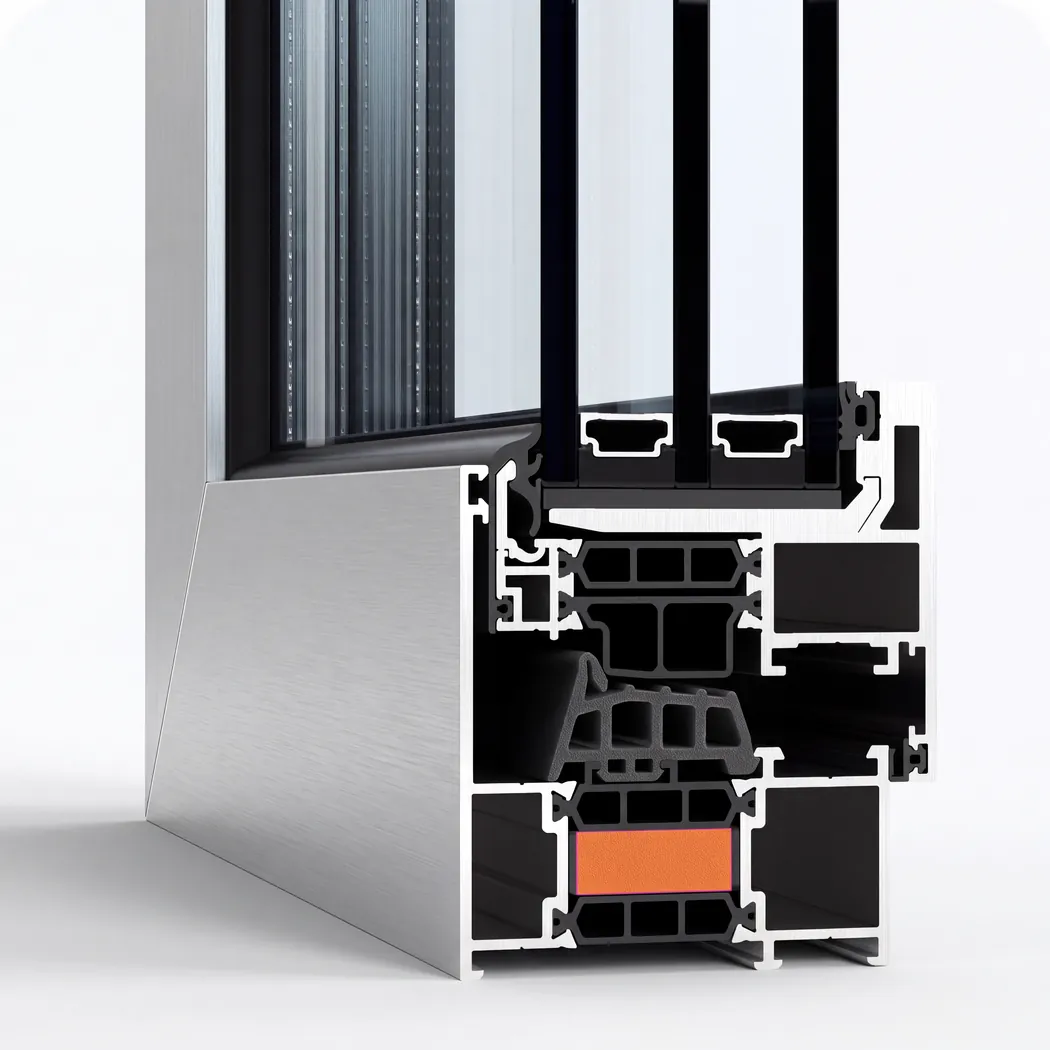
  • Aluminium window profile cross-section with a foamed thermal insert highlighted

    Foamed thermal inserts

    Foamed inserts fill the profile chambers and stop air circulating inside them, so less outside heat and street noise passes through the frame into the cooled room.

    Learn more
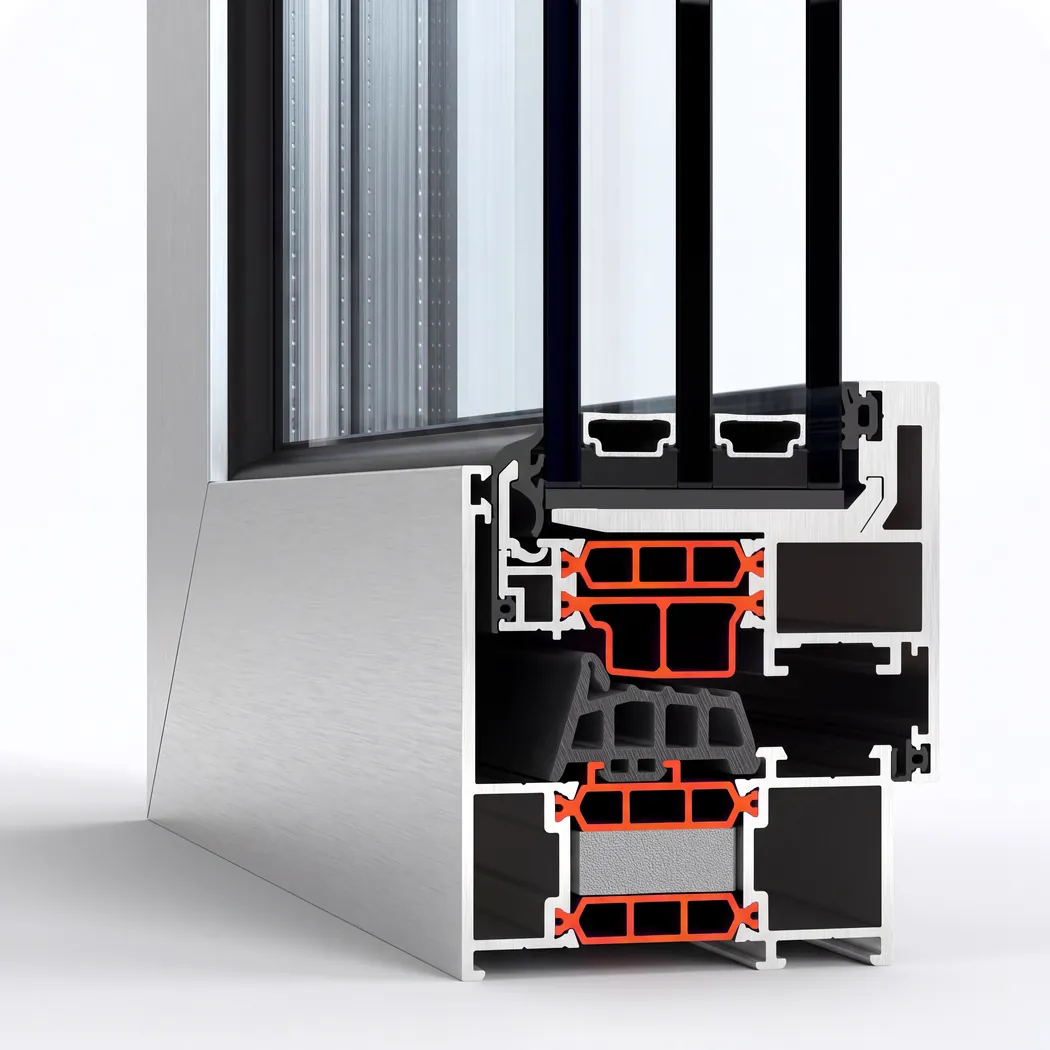
  • Aluminium window profile cross-section with polyamide thermal breaks highlighted

    Polyamide thermal breaks

    Glass-filled polyamide thermal breaks up to 40 mm wide keep the outer and inner shells apart, so the frame holds its shape and its insulation through a UAE summer.

    Learn more
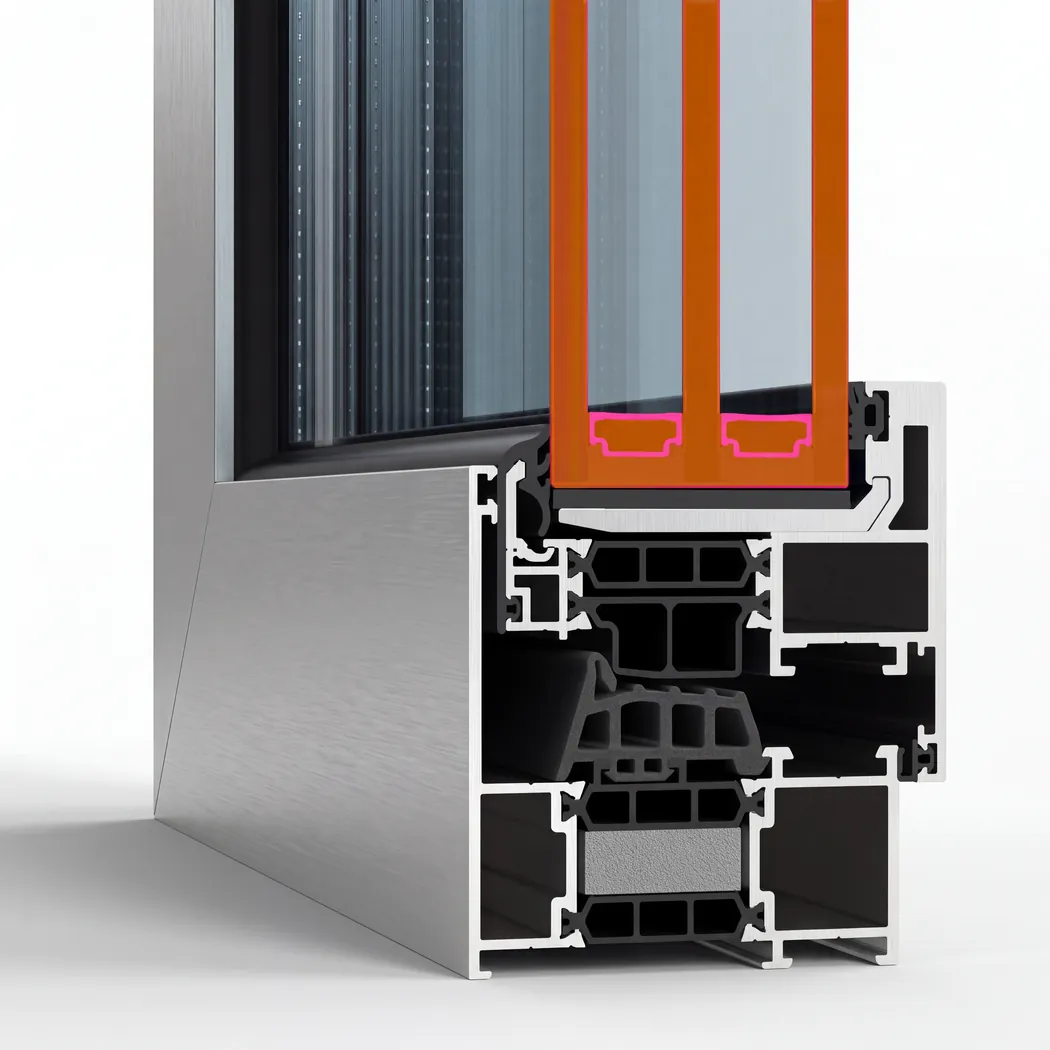
  • Aluminium window profile with an energy-efficient double glazing unit highlighted

    Energy-efficient double glazing

    Double glazing up to 60 mm thick puts a sealed gap of still air or gas between the hot street and the cooled room, so less heat crosses the glass into the room.

    Learn more

Popular ready-made solutions

Frequently asked questions

Tempered glass is heat-treated so it is stronger and shatters into small blunt granules. Laminated glass is two panes bonded to a plastic interlayer, so when it breaks the pieces stay stuck to the interlayer and the panel remains in place. Tempered is about safe breakage; laminated is about staying put. Many products are both.

Slightly, and how much depends on the coating. A mild low-E is barely noticeable; a strong solar control coating is visible as a tint and does reduce daylight. That is the trade being made — heat rejected against light admitted — and it should be chosen per elevation rather than applied identically across a house.

The edge seal of the insulated unit has failed and moisture has entered the cavity. It cannot be cleaned, because the surfaces affected are inside a sealed assembly. The remedy is replacing the glass unit; the frame usually stays. It is a common failure on older units and on any unit that has sat in standing water at the sill.

Rarely, for heat. Most solar gain here comes through the glass as radiation, and a good solar control coating deals with that far more efficiently than a third pane. Triple glazing adds significant weight and cost for a benefit that suits cold climates. Where it can earn its place is severe noise, and even then an acoustic laminated double unit is usually the better answer.

We are always happy to welcome you at our showroom

Main Office

Dubai — Showroom

The Pinnacle Building, Sheikh Zayed Road, Office 607

Mon–Fri: 9:00 – 18:00

+971 50 220 6913

Showroom

Samples to see in person

Profiles, glass units and hardware to see and touch before you choose.

Dubai — Showroom The Pinnacle Building, Sheikh Zayed Road, Office 607
Get directions