

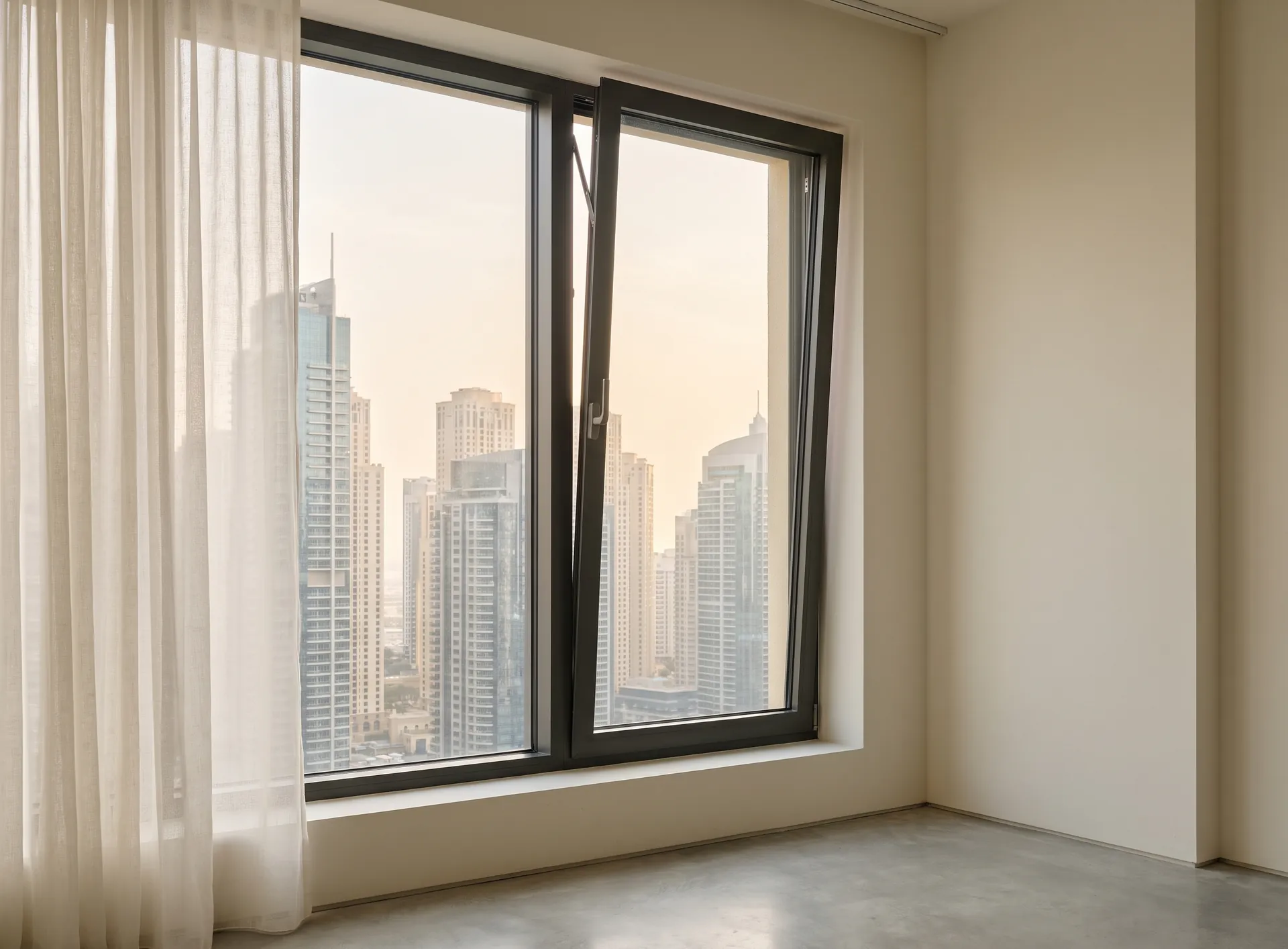
A casement window is hinged on one side and swings open like a door. A tilt-and-turn is hinged on two axes: turn the handle a quarter and the sash swings inward on the side hinges; turn it further and it tilts inward from the bottom, opening a gap at the top instead. That second mode is the whole reason the type exists, and it is the reason it usually wins in an apartment.
How each one actually works
The casement is the simpler machine. Hinges down one edge, a handle driving a lock into the frame, and a sash that swings. Fewer moving parts means less to adjust and less to go wrong, and it is the reason casements remain the cheaper choice at the same size and specification.
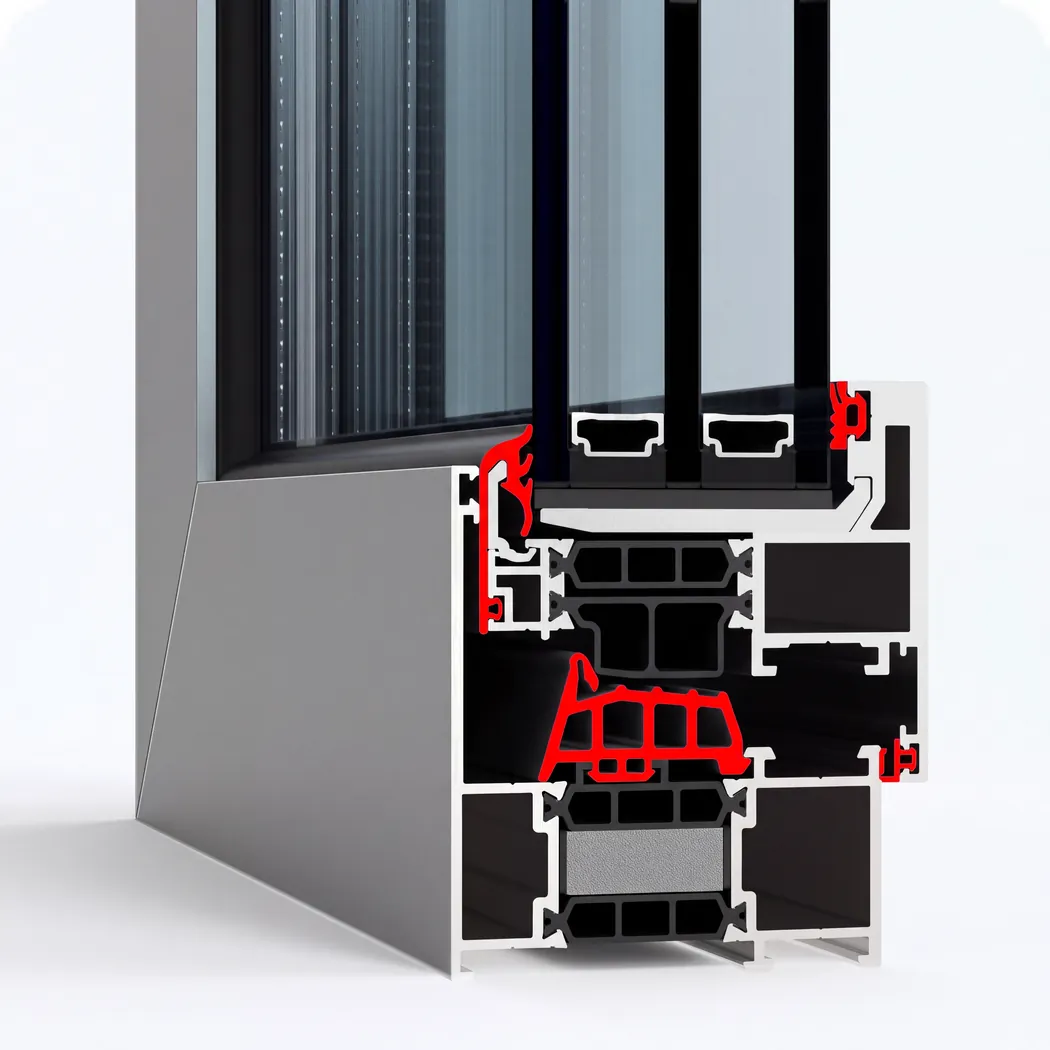
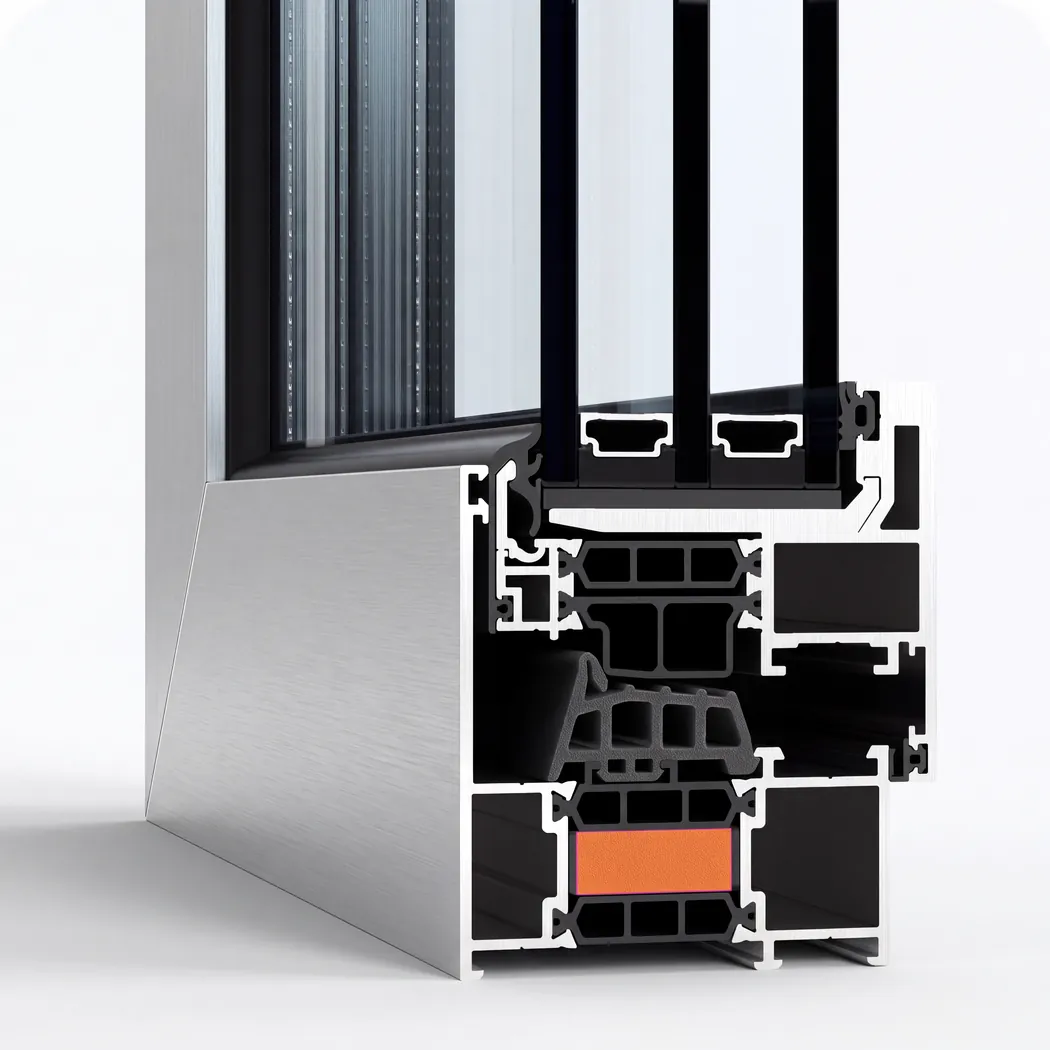
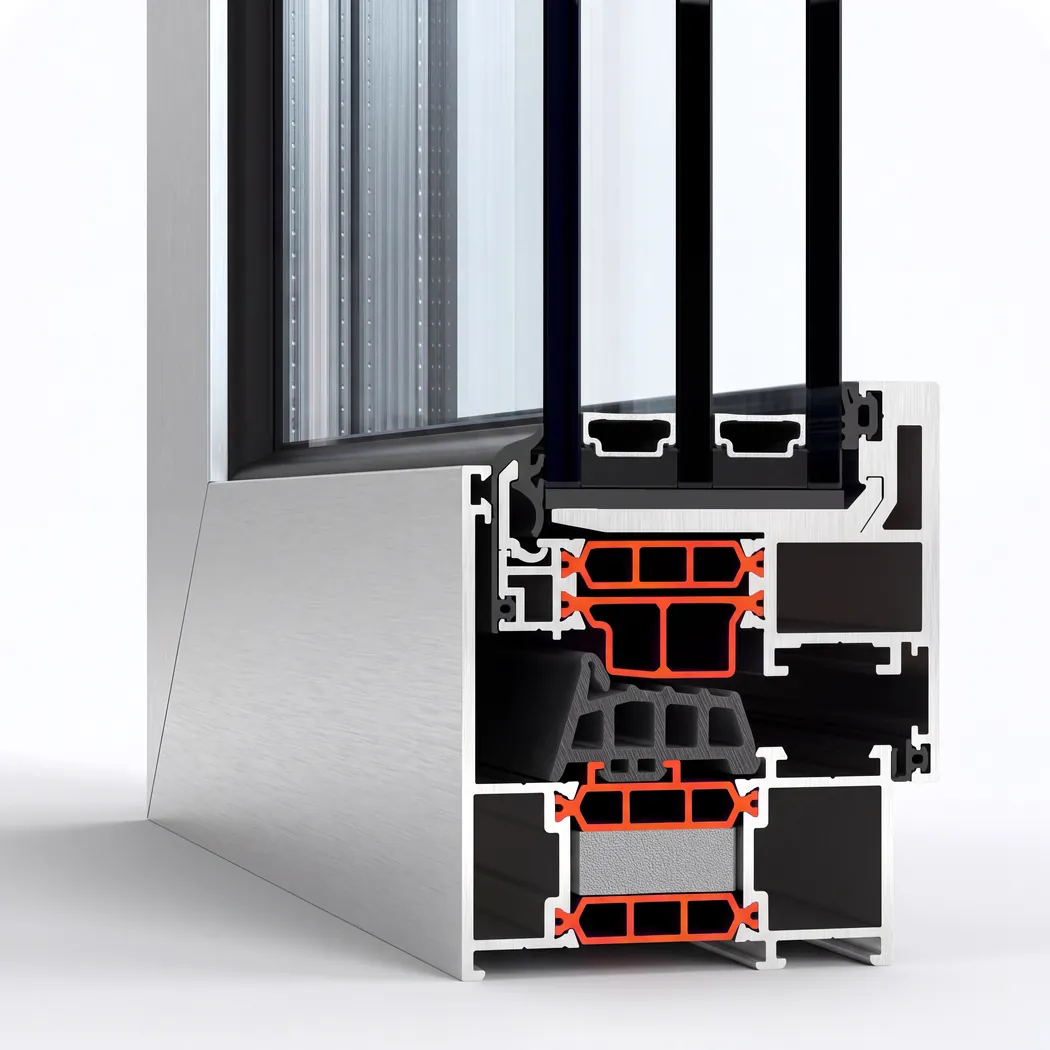
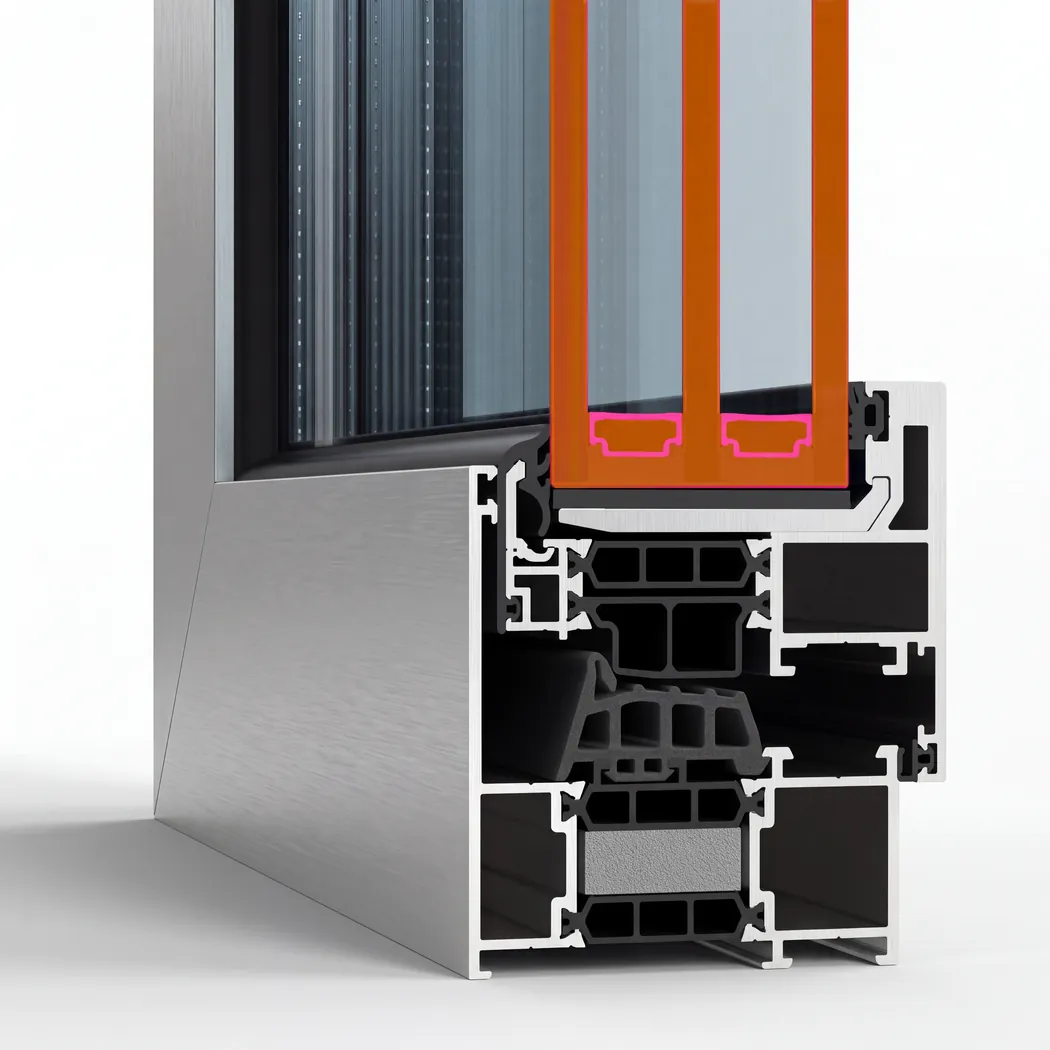
The tilt-and-turn hides its complexity in the perimeter. Around the whole sash runs a gear system driven by the single handle; as you turn it, steel cams travel around the frame and pull the sash tight against the seals at several points at once. It is more hardware, more precisely made, and it is what you are paying the difference for.
That multi-point action matters more than the extra opening mode. A casement typically locks at one or two points, so the seal pressure is highest near the lock and lowest at the far corners. A tilt-and-turn pulls evenly all the way round.
The Dubai criteria: sand, heat and where the sash goes
Even seal pressure is worth real money on this coast. When a shamal drives fine dust at a facade, it finds the low-pressure corners of a weakly clamped sash. Owners usually notice this as a thin line of dust on a sill after a windy few days — a sign of where the seal is not being pulled tight rather than of a faulty window.
The tilt mode is the other Dubai argument, and it is about running the air conditioning sensibly. A tilted sash lets a room breathe through a narrow gap at the top rather than a full open leaf, so it changes air without dumping the cooled air out of the room in one go. It is also secure enough to leave while you are in the apartment, and rain coming in at an angle largely runs off the tilted glass rather than onto the floor.
Where the sash travels is the practical constraint. A casement opening outward keeps the room clear but takes up outside space — a problem on a narrow balcony or above a walkway. A tilt-and-turn opens inward, which keeps the outside clear but means the sash swings into the room: it must not fight a curtain, a blind or a tall piece of furniture.
Cleaning and the tower question
In a villa this rarely decides anything, because both types can be cleaned from the ground or a terrace. In a tower it decides a great deal. A casement that opens outward on a high floor is difficult and often unsafe to clean from inside, which is why buildings end up hiring rope access for what should be a domestic job.
A tilt-and-turn swings fully inward, so the outer face of the glass comes to you and can be cleaned standing in the room. Over the life of an apartment that is a recurring saving and, more to the point, a recurring convenience.
Some buildings settle the question for you. Management rules in a number of Dubai towers restrict outward-opening sashes above certain levels, so before comparing on preference it is worth checking what your building actually permits.
Cost, service life and what tends to fail
At equal size, glass and finish, a tilt-and-turn costs more than a casement, and the difference is almost entirely hardware. It is not a small premium and it is not a large one; it scales with the number of opening sashes rather than with the area of the wall, which is why the sensible way to control the budget is to reduce how many panes open rather than to downgrade the ones that do.
What fails is also different. Casements mostly develop hinge sag on tall or heavy leaves, which shows as a sash catching on the frame at the closing edge. Tilt-and-turn gear rarely breaks but does drift out of adjustment, which shows as a handle that grows stiff or a corner that no longer pulls tight. Both are adjustments rather than replacements, and both are far cheaper to correct early.
Whichever type you choose, the components that decide how long it stays sweet here are the ones exposed to salt air: hinges, cams and fixings. Stainless hardware is worth specifying on any coastal elevation, and it is a line item worth reading in a quote.
So which one
For an apartment above the first few floors, a tilt-and-turn is usually the right answer: it cleans from inside, it seals evenly against dust, and the tilt position lets you ventilate without fighting the air conditioning.
For a villa with reachable windows, generous outside space and a tighter budget, casements are entirely reasonable, and the money saved is often better spent on the glass build than on the opening mechanism.
It does not have to be one choice for the whole house. Mixing them per elevation — tilt-and-turn where cleaning is awkward or the wind is strongest, casement where neither is an issue — is common and sensible, and it is the sort of thing a survey settles quickly.
Pick by floor level and by where the sash can travel, not by the badge. If the outside of the glass is hard to reach, or the wall takes the brunt of the wind, the tilt-and-turn earns its premium; if neither is true, a casement does the same job for less.