


Georgian bar windows
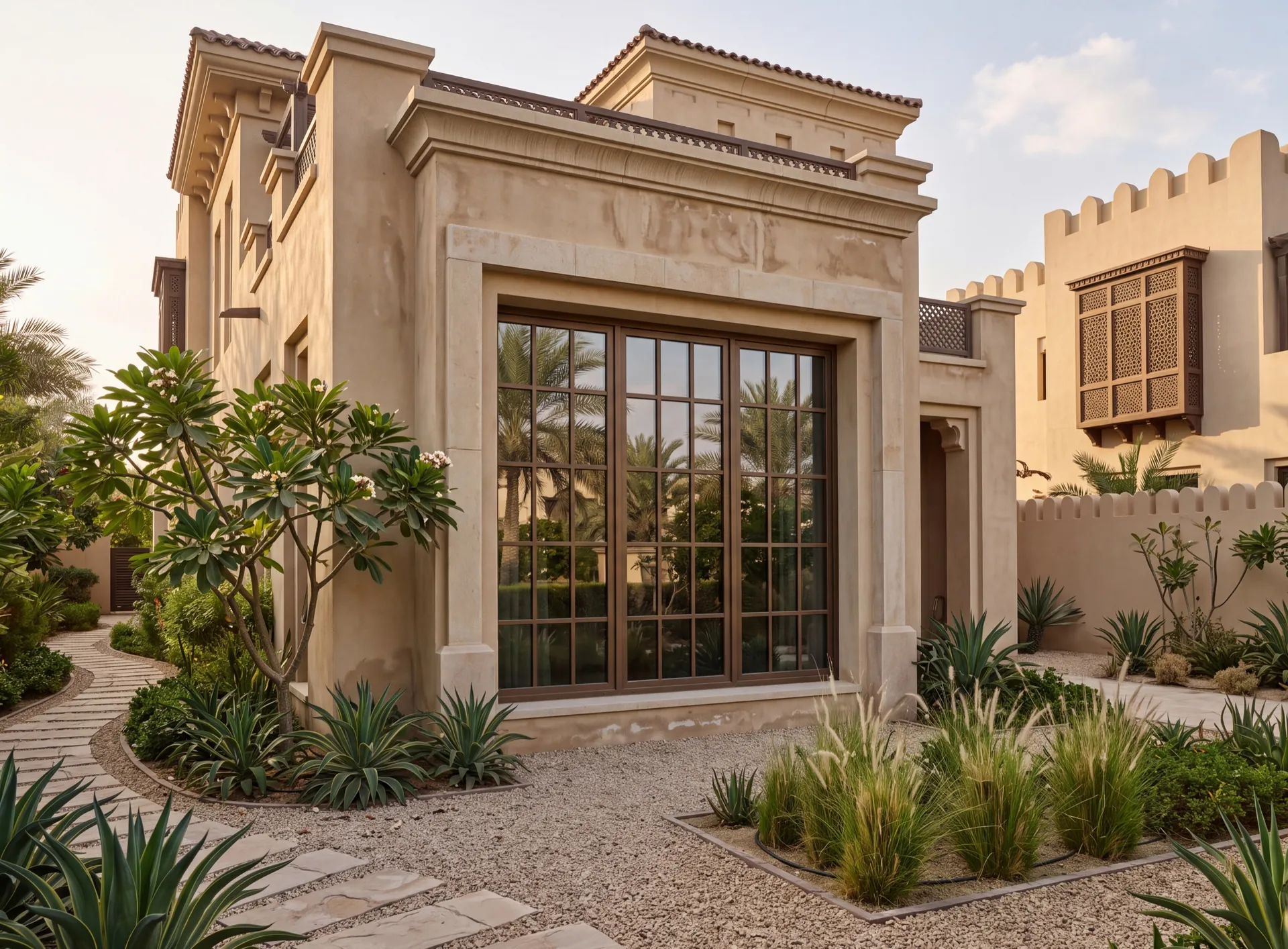
A Georgian bar is the slim line that divides a window into smaller panes, and three quite different things hide behind that one appearance. The bar can be real — a slender structural member with a separately glazed pane on either side of it. It can be applied — a moulding bonded to the outer face of one large unit, and usually to the inner face as well so the two register as you look through. Or it can be a grid sealed inside the cavity between the panes, where nothing will ever touch it. From the driveway they read the same. They behave nothing alike the day you clean the window, cool the room behind it, or replace one pane that a ladder went through.
- three ways to make the bar
- real, applied or sealed in where the bar lives
- one pane or the whole unit what a breakage replaces
Why choose aluminium windows?
-
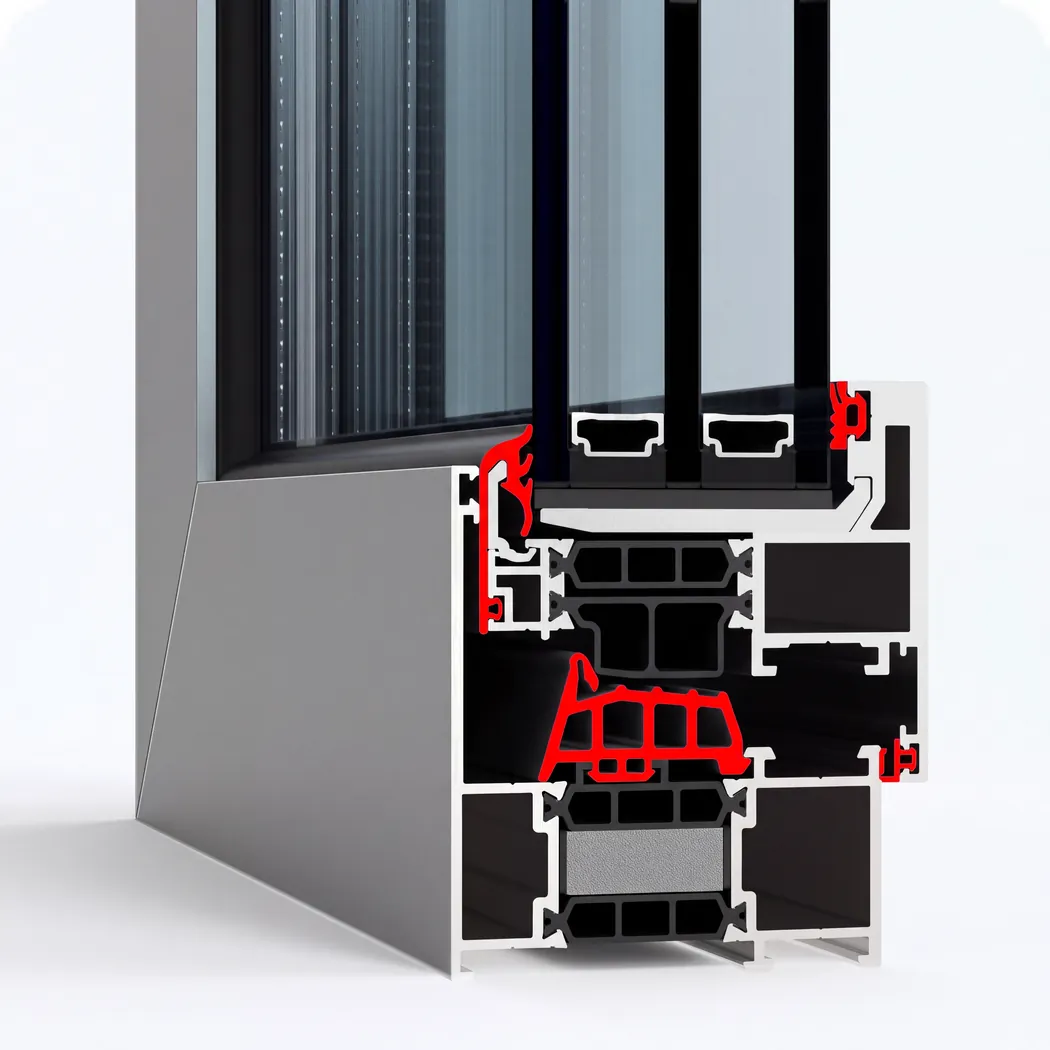
Durable EPDM seals
Three contours of EPDM seals keep the glass off the aluminium and close the gap between sash and frame, so dust, humid salt air and wind-driven rain stay outside.
Learn more -
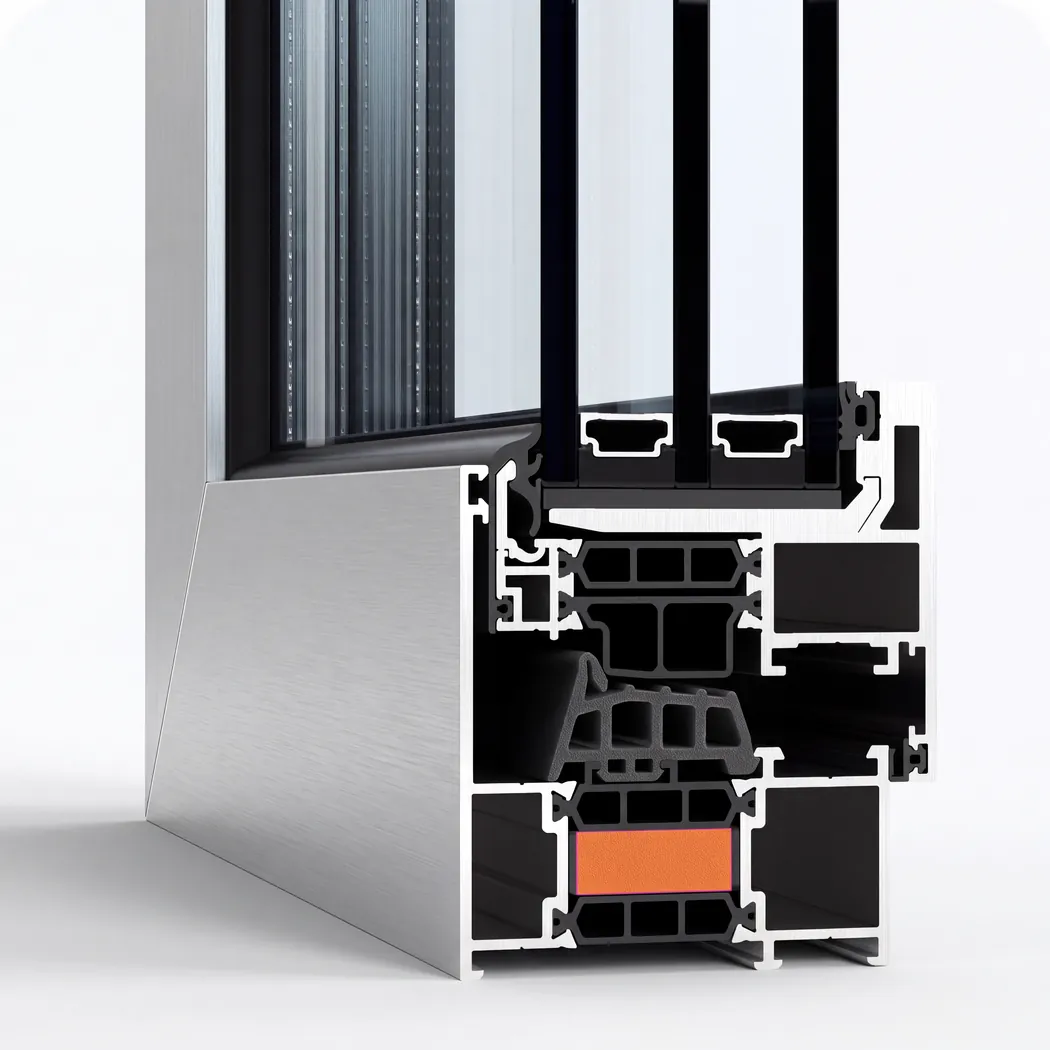
Foamed thermal inserts
Foamed inserts fill the profile chambers and stop air circulating inside them, so less outside heat and street noise passes through the frame into the cooled room.
Learn more -
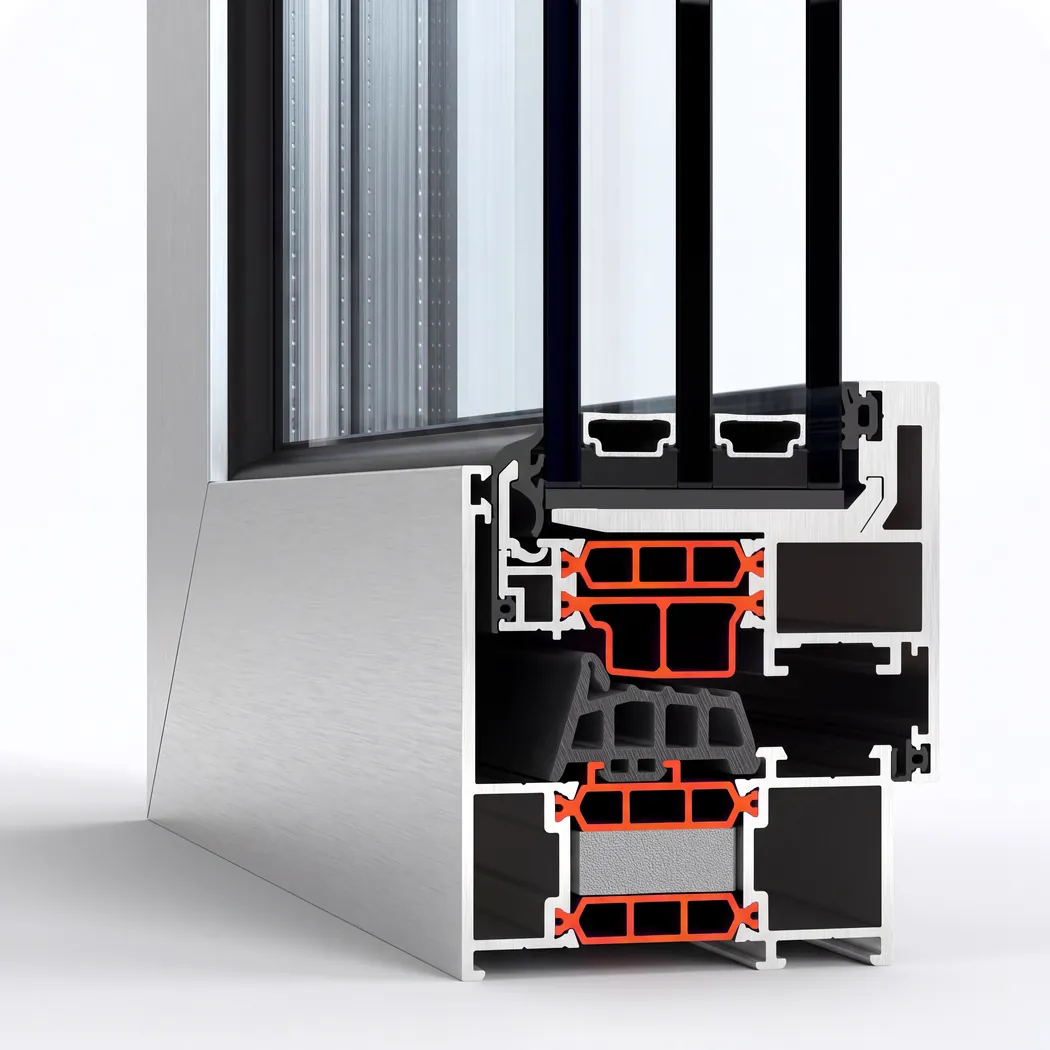
Polyamide thermal breaks
Glass-filled polyamide thermal breaks up to 40 mm wide keep the outer and inner shells apart, so the frame holds its shape and its insulation through a UAE summer.
Learn more -
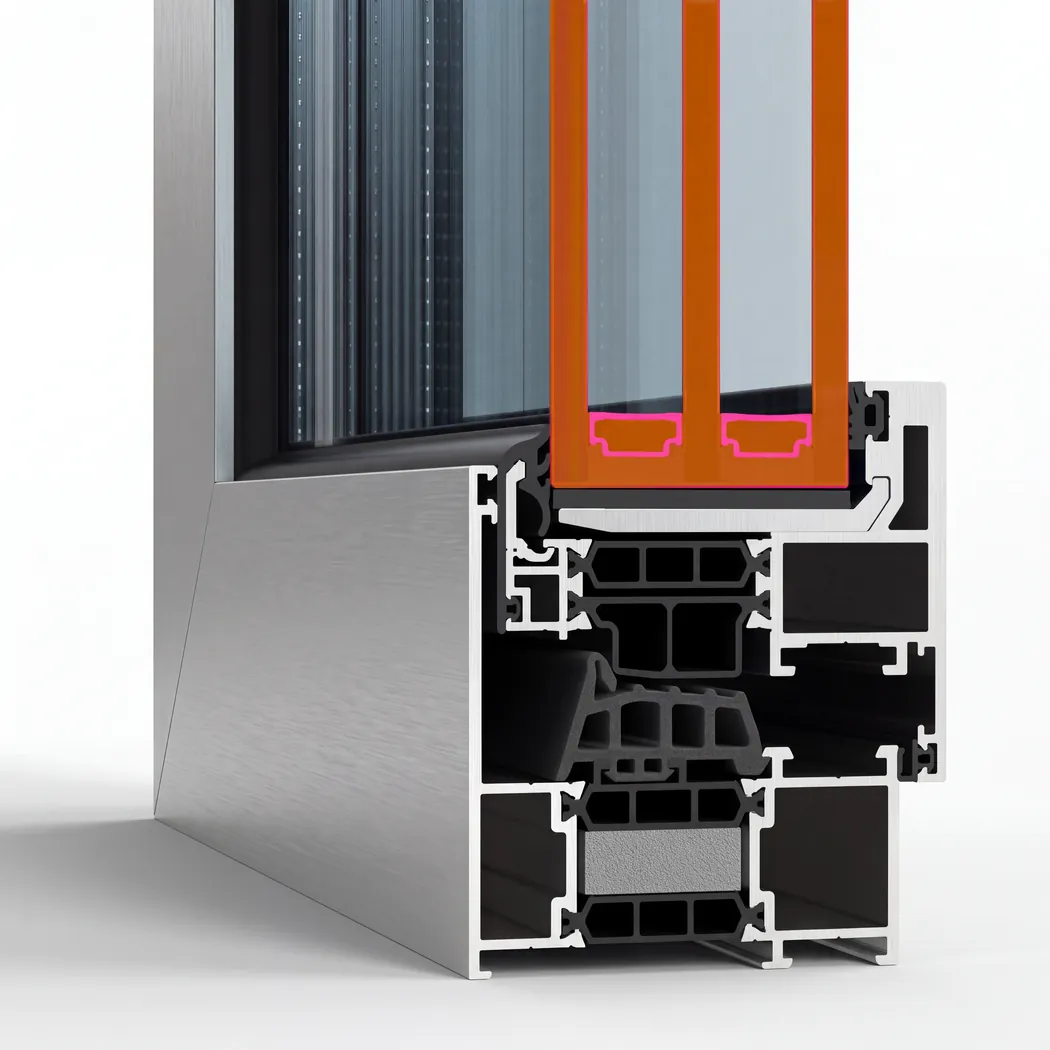
Energy-efficient double glazing
Double glazing up to 60 mm thick puts a sealed gap of still air or gas between the hot street and the cooled room, so less heat crosses the glass into the room.
Learn more
Choosing how the bars are made
- Survey with the existing pattern recorded Our engineer comes within 48 hours
- The pattern set out across the elevation Bars line up from window to window
- Kind of bar chosen, not only the look True, applied or sealed in the cavity
- Which faces carry bars agreed Outside only reads as pasted on
- Repair route explained before it is made One pane, or a whole unit
- Cut, glazed and assembled in Dubai Three to five weeks from the approved drawing
What each kind of bar changes
-
Structural
True bar
Each pane glazed on its own
-
Bonded on
Applied bar
One unit behind a drawn line
-
Inside the cavity
Sealed grid
Nothing on the surface to wipe
-
Where metal crosses
Heat path
A real bar is another edge
-
One pane, or all of it
Repair
The kind of bar decides which
Let's calculate
the cost of glazing
Get a free calculation for your windows — just leave your number, we'll reply on WhatsApp within 15 minutes.

Articles

Pricing
Aluminium Windows and Doors Calculator
Choose the options — we’ll send the price on WhatsApp
What are we making
Shape and opening
Size
Width and height: 300–6000 mm. Not sure? Clear the fields — we’ll measure at the free survey.
Width under 300 mm — check that it is in millimetres.
Width over 6000 mm — we’ll confirm it at the survey.
Height under 300 mm — check that it is in millimetres.
Height over 6000 mm — we’ll confirm it at the survey.
Enter a whole number of units, 1 or more.
Glazing unit

Extras
Do you need a windowsill?
Do you need a coloured profile?
Do you need installation?
The honest downside
Where glazing bars get in the way
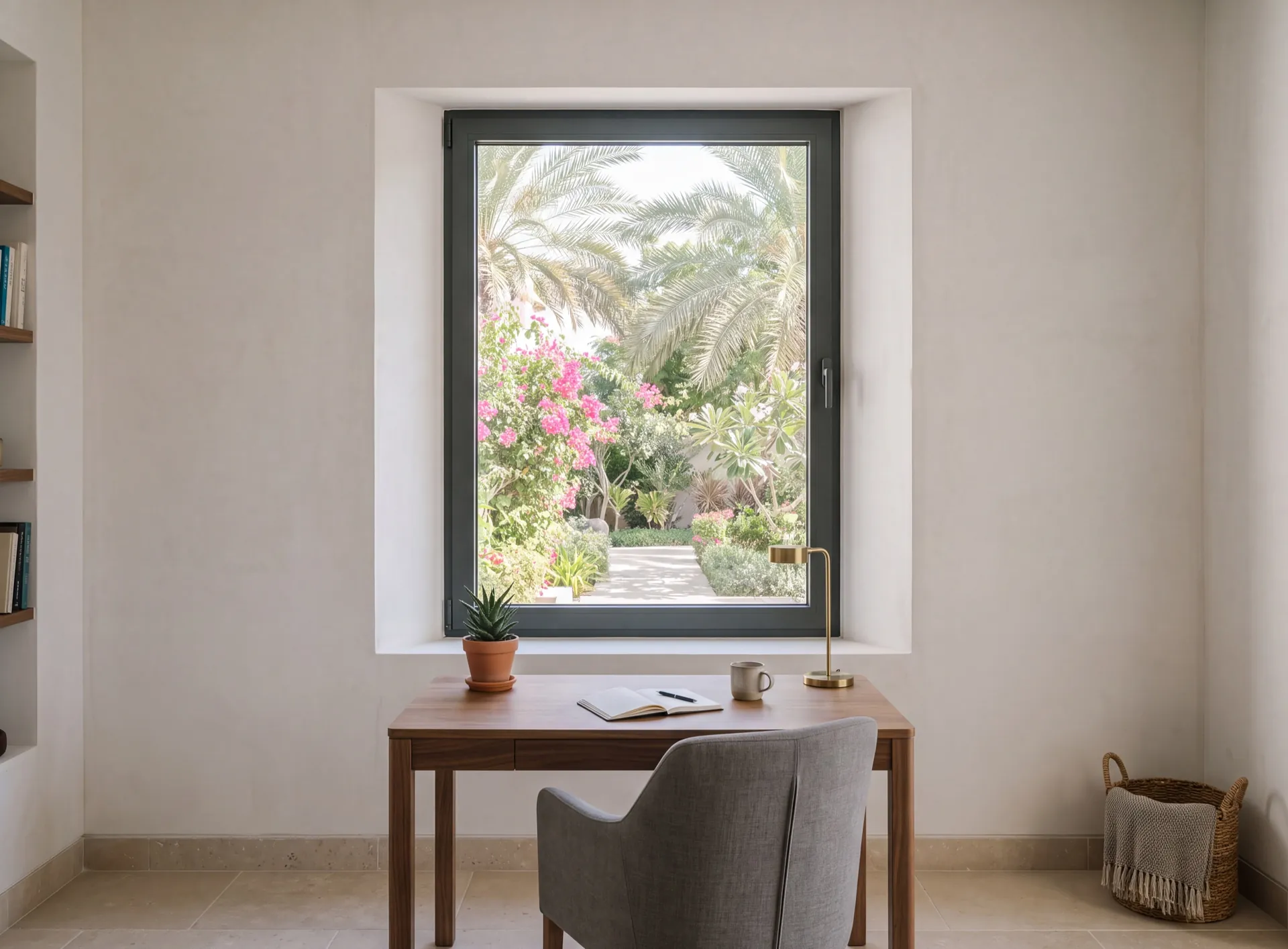
Bars cut the view into pieces. Facing a garden, a pool or the sea, the grid is what you look through every day, and the finer the pattern, the more of the window is frame line rather than glass. On a plain contemporary elevation the same grid can read as borrowed from another house.
They add upkeep as well. Every true or applied bar is another ledge for fine sand after a shamal and another edge to wipe round, and true bars mean many small panes glazed one by one, which costs more to make than a single field.
If the view is the reason for the window, one undivided field keeps it whole and cleans in a single sweep. Bars stay the right answer where the elevation is built in a period style, or where a grid sealed inside the unit gives the pattern without the extra upkeep.
 Consider instead
Single-panel windows
Consider instead
Single-panel windows
Frequently asked questions
Decide it by where the window gets looked at from. If the pattern has to survive being seen at arm's length — a front elevation, an entrance, a villa built in a period style — only a true bar reads correctly, because its shadow line is real and it has depth on both faces. If the window is wide, high, or on a facade you will be wiping down after every shamal, the sealed grid is the practical answer: the glass is a single flat sheet with nothing on it to collect sand. Applied bars are the middle ground and a perfectly reasonable one, provided their limitation is understood before rather than after.
A true bar does, because it is another member with another pair of glazing edges, and an edge is always the place where the outside sits closest to the room. That is why we keep a true bar inside the same thermally broken family as the frame rather than treating it as trim. An applied bar changes almost nothing: it is bonded to a continuous unit, and what is behind it is the glass you specified. A sealed grid touches neither face structurally, though it does interrupt the still air in the cavity. The pattern matters more the finer and the more numerous the bars are — a window divided many times over is mostly edges.
With a true bar, that pane alone. Each light is glazed separately and held by its own beads, so the bar stays, the neighbouring panes stay, and the repair is a small piece of glass and a set of beads. With applied bars or a sealed grid the whole unit comes out, because the damaged sheet is part of a single sealed assembly and there is nothing smaller to take out of it. On a large field that is the difference between a bead and a lifting crew. It is the question worth asking before the drawing is signed, because on a big divided window it is the one that comes back.
That depends on which faces carry them, and it is the detail that separates convincing bar work from the other kind. A true bar shows on both faces because it is a real member. Applied bars are normally fitted to both faces so the lines register when you look through; put them on the outside alone and the room reads as one pane, and the moment the sun is behind the glass the line looks exactly like what it is. A sealed grid shows from both sides because it sits between the panes, but it is set in the middle of the cavity, so seen at an angle the bar and its own reflection separate a little. We agree which faces get bars on the drawing rather than on the day.

Related pages
Nearby pages and the rest of the catalogue.
- Aluminium-wood windows
- Arched windows
- Bay windows
- Casement windows
- Corner windows
- Custom shapes
- Double-panel windows
- Energy efficient windows
- Fire-rated windows
- Fixed windows
- Floor-to-ceiling windows
- Folding windows
Sections
Company
We are always happy to welcome you at our showroom
Main Office

Dubai — Showroom
The Pinnacle Building, Sheikh Zayed Road, Office 607
Mon–Fri: 9:00 – 18:00
Showroom

Samples to see in person
Profiles, glass units and hardware to see and touch before you choose.
Dubai — Showroom
The Pinnacle Building, Sheikh Zayed Road, Office 607
Get directions 