

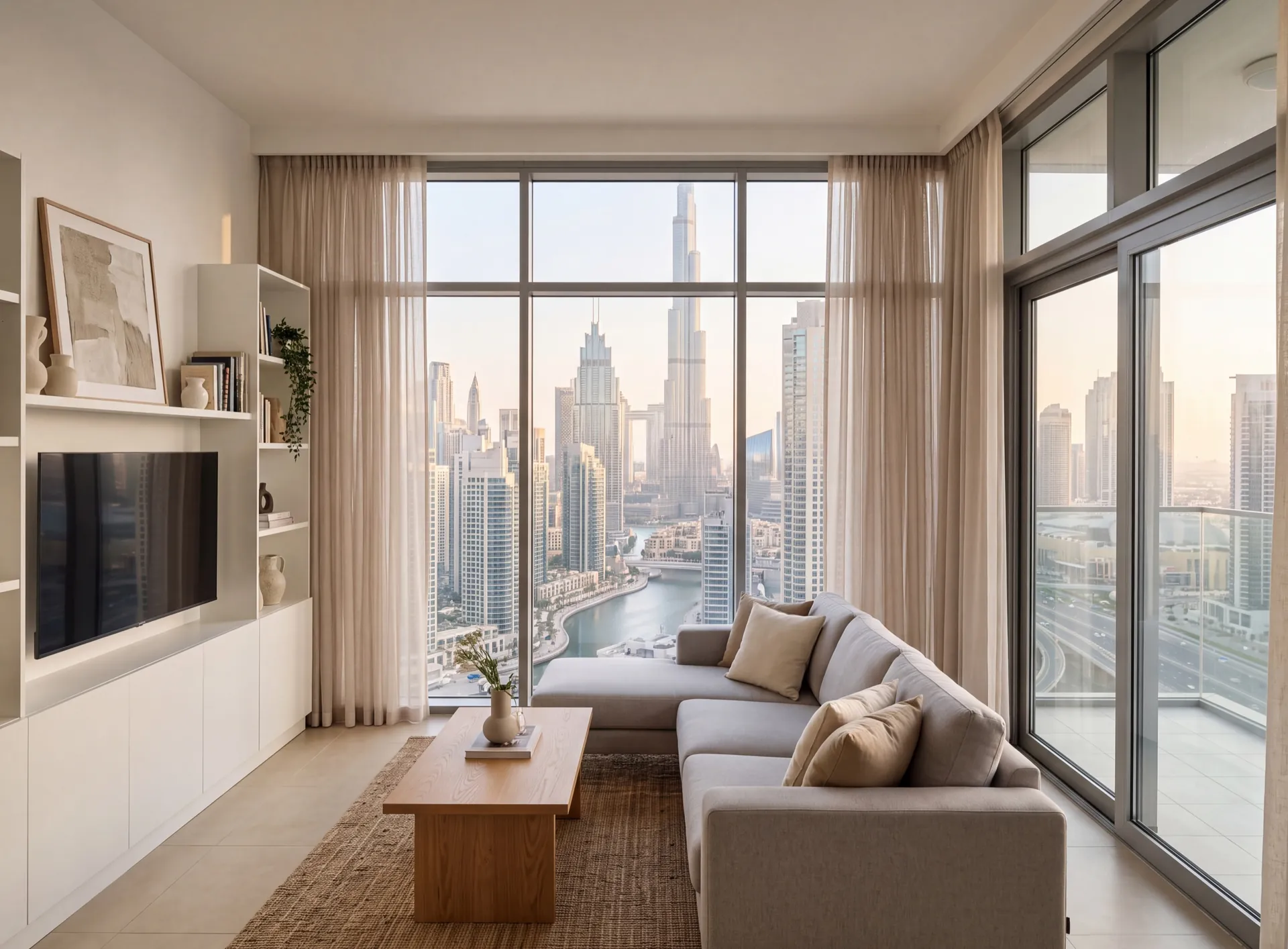


The economics of a let unit are simple: everything that stops a phone call is worth money, and everything that only impresses a viewer is worth less than it costs. Sorting a window specification along that line gets you a better result for less than the usual approach of buying the middle option of everything.
The landlord's brief is a different document
In a home you specify for how a room feels. In a let unit you specify for what happens when somebody who did not choose the window has to live with it, clean around it, and hand it back. The three things that generate cost are a tenant calling because something has stopped working, a unit sitting empty while it is repaired, and a dispute at check-out about a mark or a patch of mould.
That reframes the choices. Reliability beats refinement. A finish that still looks acceptable after several tenancies beats one that looks superb until it is scratched. Hardware a stranger can operate without instructions beats hardware that needs a knack. And anything that quietly prevents damp, staining or a stuck sash pays for itself the first time it does not have to be explained to a departing tenant.
None of this means specifying badly. A cheap window in a rented flat is the most expensive kind, because every one of its failures becomes a callout and a conversation. The aim is to move the budget rather than shrink it.
What earns its keep
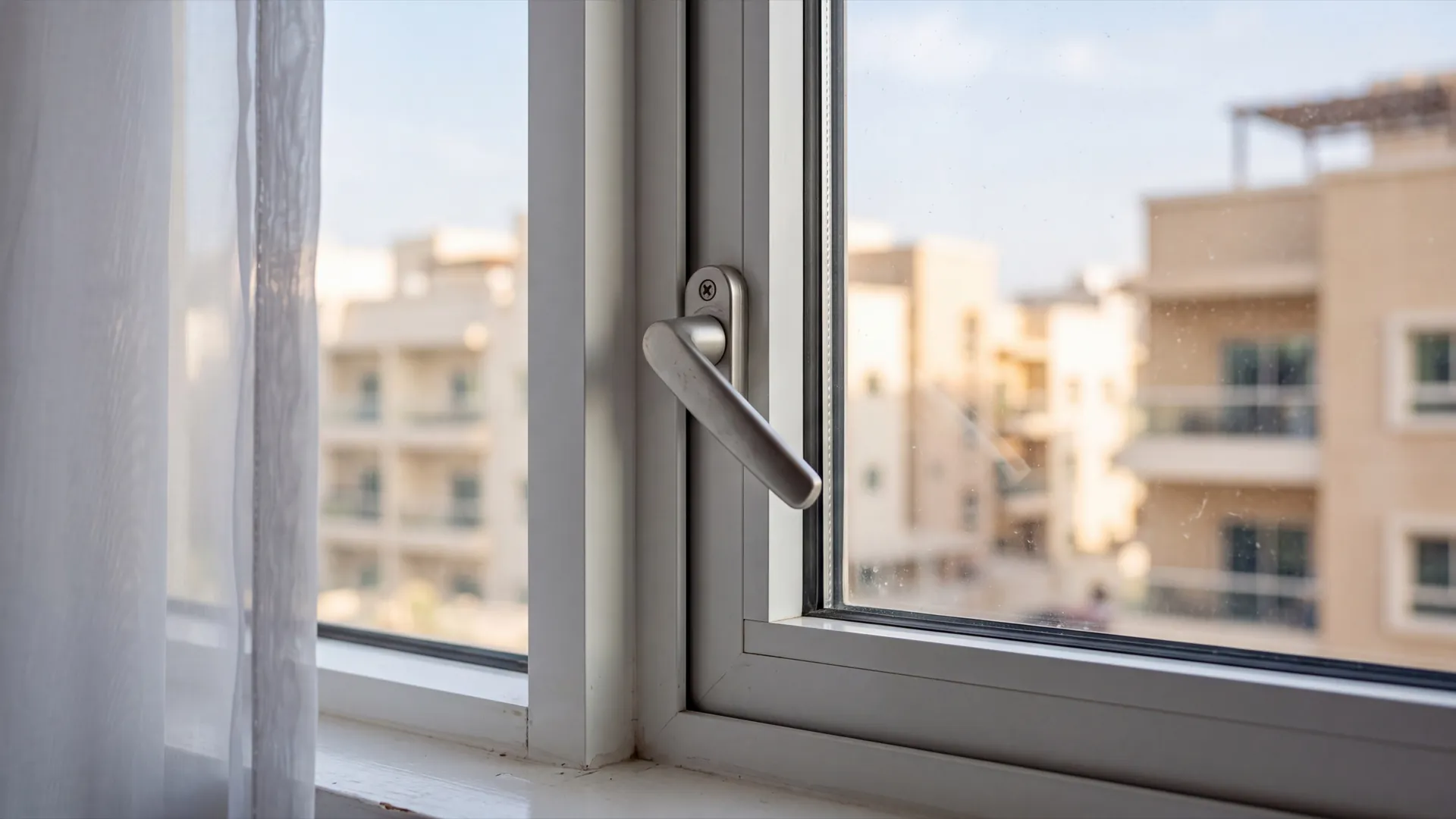
Start with the parts a tenant touches or that fail quietly. Sound hardware — handles, hinges, locks and rollers from the system's own range — is the single best place to spend, because it is what stops working first and it is what generates the call. Gaskets that press evenly, and drainage machined and left clear, keep water out of the wall and keep sand out of the mechanism, which prevents most of the rest.
A thermally broken frame is worth its cost in a flat that is cooled hard, and the reason is commercial rather than technical. An unbroken profile runs cold enough to sweat, water sits on the sill and in the reveal, and a wet reveal eventually becomes a mould mark and then a deposit dispute. Removing that cause is cheaper than arbitrating it once.
Glass matched to the elevation earns its keep in a different way. A bedroom on a sunlit face that never gets comfortable becomes a listing that takes longer to let and a tenant who does not renew, and it also drives the cooling bill that a tenant will notice. Ground-floor and accessible openings justify laminated glass and proper locking, because security is one of the few things a viewer actually asks about.
What does not pay back
Motorised sashes and smart controls are the clearest example. In an owner's home they solve a real problem — an opening nobody can reach. In a let unit they add a system that a tenant can misuse, a component that will eventually need a technician rather than a handyman, and a handover conversation at every check-in. Unless the opening genuinely cannot be reached by hand, they buy complexity rather than value.
Special finishes are the next. A shade outside the standard range costs more to produce, takes longer if a single frame has to be replaced later, and is invisible to the person deciding whether to sign a lease. The same applies to elaborate handles and to anything with a delicate surface, which starts looking tired precisely because a rented flat is cleaned briskly by different people.
Very large single panes deserve a moment of arithmetic. They photograph well, and one breakage replaces a great deal of glass at once, in a size that may need more than two people and a booked lift to bring in. Splitting the same opening into a sensible number of panels rarely costs the letting anything and turns a possible incident into a routine one.
Repairability is most of the return
Whatever is fitted will need parts. The question that decides your running cost is whether those parts can be had here, quickly, by whoever maintains the property. A system fabricated in Dubai answers that better than one whose profiles and fittings arrive from overseas, because a replacement sash or a run of gasket comes off the same bench that made the original rather than off a shipment.
The second half of it is sameness. Where a landlord owns several units, specifying one system and one hardware range across all of them turns every repair into a stock item: one box of rollers, one pattern of handle, one gasket profile serves the whole portfolio, and a maintenance contractor learns the system once. Mixed specifications acquired unit by unit are what make a small portfolio expensive to run.
Keep the paperwork with the property rather than in an email. The approved drawing, the system and finish, the glass build and the hardware range are four lines that let anybody quote a repair without a site visit, and they are the difference between replacing a part and replacing a window because nobody could identify what was there.
Long lets, short lets and the handover
A short-let or holiday unit is a harder environment than a long let, and it wants a slightly different specification. Sashes are opened and closed by many more people, some of whom will force something rather than ask; locking gets used constantly; noise complaints matter more because a guest compares the room with a hotel rather than with their own flat. Robust hardware and a glass build chosen honestly for the noise on that elevation are worth more here than anywhere else.
For long lets the pressure moves to check-out. Most window-related disputes are about the same handful of things: a stiff or dragging sash, staining on a sill or reveal, mould in a corner, and a handle that has come loose. Every one of those is prevented rather than argued about — by adjustment at handover, by drainage that works, by a frame that does not run cold, and by hardware fixed into the section properly rather than tightened until it stripped.
The cheapest habit a landlord can adopt is a short service between tenancies: tracks vacuumed, drainage slots cleared, hinges and closing pressures adjusted, gaskets checked. It takes very little time, it is far cheaper than the callout it prevents, and it means the unit is handed over working rather than nearly working.
Spend on the parts that fail and the parts a stranger touches: hardware, gaskets, drainage, a frame that does not sweat, and glass chosen for the elevation rather than for the brochure. Save on the parts that only a viewer notices: special finishes, motorised anything, oversized single panes. Then make repairs boring — one system across the portfolio, parts obtainable here, and the specification written down where the next contractor can find it. A rented window is judged by how rarely anyone has to think about it.