



A glazing contract is doing three jobs: describing exactly what will be made, dividing the work at the edges where two trades meet, and setting out how it will be accepted. Most of what goes wrong on a job is one of those three left vague, and each is easier to settle before anything is manufactured.
A quote is only useful if it is a specification
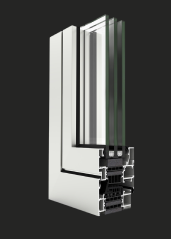
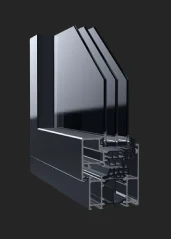
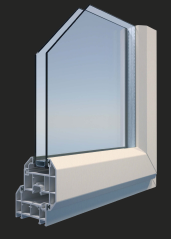
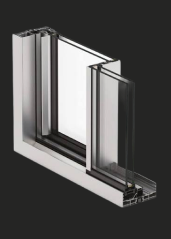
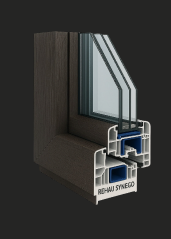
A single line reading supply and install aluminium windows with a figure beside it is a price, not a proposal, and it cannot be compared with anything. What makes a quote usable is that it is broken down by opening and that each opening states what it is: the profile system and section, the glass build for that particular elevation, how the sashes open, the finish route and its colour reference, and the hardware range.
Then it should say how the window meets the building. The fixing detail and spacing, how the perimeter joint is insulated and sealed, whether the sill or threshold is being replaced or reused, and what is being done about a reveal that needs making good. These are the entries that separate two quotes that look identical on the first page, and they are the ones that decide whether the window behaves in driven rain.
Finally it should say what it does not include. Removal and disposal of the old frames, protection of floors and furniture, making good and painting, scaffolding or lift hire, building approvals and permits, electrical work for anything motorised — every one of these belongs either in the quote or in an exclusions list. Silence on them is not the same as inclusion, and the day it is discovered is always an inconvenient one.
Who is responsible for the opening
This is the question that decides most disputes, and it has a clean answer: the party who measured is responsible for the frame fitting the opening they measured. That is why a serious contractor will not manufacture from an owner's dimensions, and why a survey is not a courtesy — it is where the responsibility is taken on. If somebody offers to build to sizes you supply, ask in writing who carries a frame that does not fit.
The owner's side of that bargain is disclosure and access. Anything known about the wall — a previous leak, a repair, a service running through the reveal, a slab that may not be drilled — belongs in the conversation before manufacture, along with access to every room, the contact at the management office, and any building approval that has to be obtained. What cannot reasonably be seen at a survey is a shared risk, and the contract should say how it is priced when it appears.
The perimeter is where scopes meet, so name one party for it. Insulating and sealing the joint between frame and structure is glazing work and should stay with the glazing contractor; it decides whether water and blown sand enter the wall, and it must not be left to whoever paints afterwards. Making good the reveal, plastering and final decoration can sit with either side, provided the contract says which — the failure mode is not that the wrong trade does it but that both assumed the other would.

Dates, and what they are actually counted from
Write the sequence into the contract as milestones rather than as a single completion date, because a window order is a chain and only some links are in the contractor's hands. The survey happens within 48 hours of the enquiry. The shop drawing follows from it. Production runs three to five weeks, and that clock starts at your approval of the drawing — not at the enquiry, not at the deposit, and not at the day you first asked about dates.
Three things genuinely move those dates, and all three are visible before you commit. Non-standard shapes — arches, rakes, corner units — add drawing and cutting time before production starts. A profile system imported rather than made here adds a shipping leg. And access decides how much can happen in a day: an association's approval, a lift that must be booked, a plot a lorry cannot reach. Ask at the survey which of the three applies to your job and the dates in the quote become the dates you get.
Tie payments to milestones rather than to the calendar. A deposit at order, a stage at drawing approval or at the start of production, a stage at delivery, and a final amount released after handover and after the snagging list has been cleared is a structure that keeps both sides interested in the same things. A schedule where almost everything is paid before installation removes the contractor's reason to come back for the last afternoon of work.
Changes, and the moment they stop being cheap
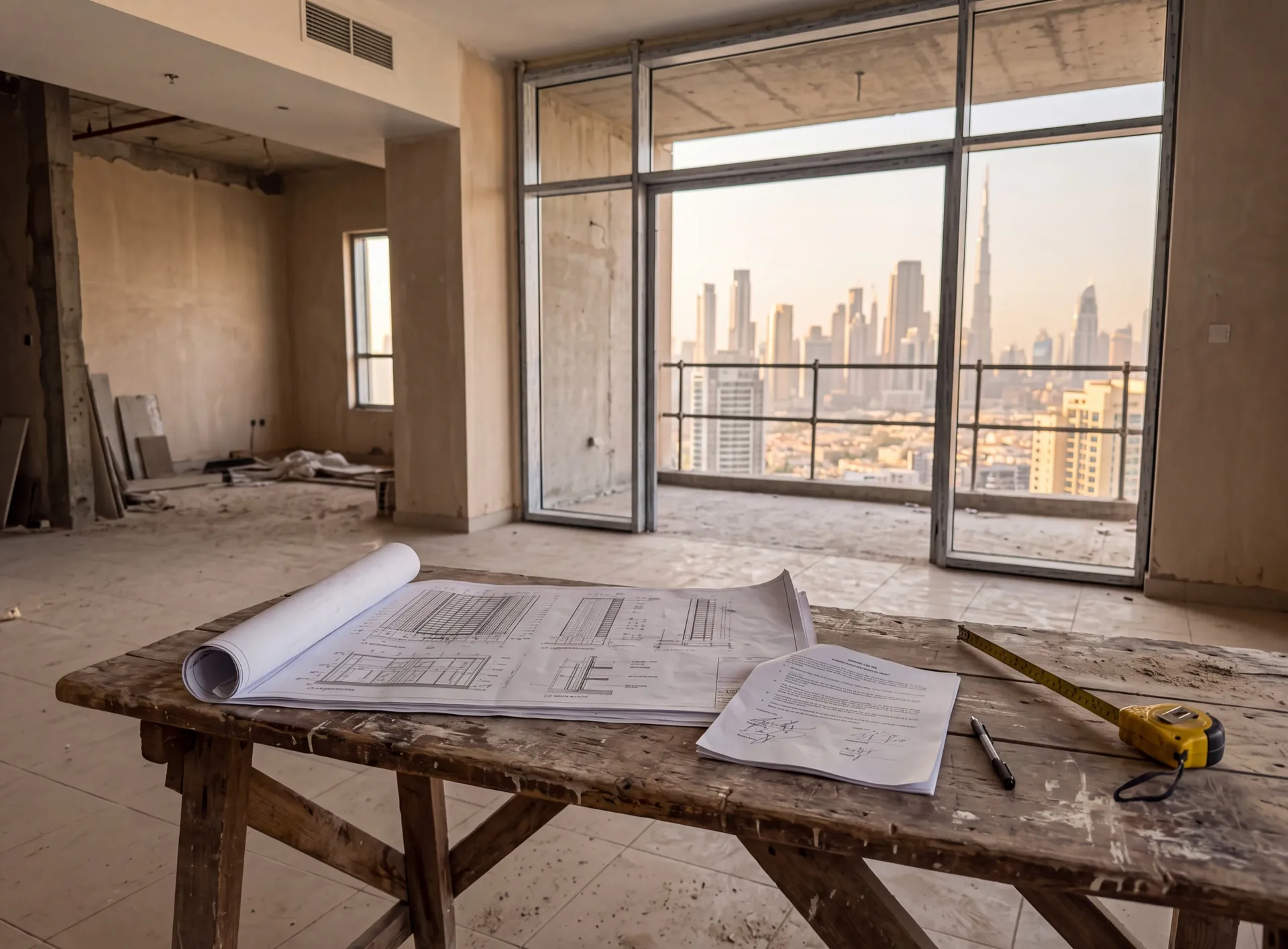
The drawing is the technical part of the contract, and it should be attached to it. Once approved, it is what will be made — which is why the drawing stage deliberately takes its time and why it is worth reading as a layout rather than as paperwork. The two things most often regretted are the direction a sash swings, which is free to change on paper and awkward to live with in aluminium, and where fixed panes and mullions fall across a view.
After approval there is a hard line: before the profile is cut, most changes are a matter of a revised drawing and a new date; after it, a change means new material rather than an adjustment. A contractor who tells you which side of that line you are on, before you decide, is doing the job properly.
Whatever the change, it should be written down before it is carried out — what is changing, what it costs or credits, and what it does to the dates. A verbal variation on site is the single most common source of a disputed final invoice, and a two-line note signed by both parties on the day costs nothing to produce.
Acceptance is a snagging list, not a signature
Handover is a walk round with the crew while their materials and their tools are still in the building. Every sash is opened and closed, the locking is checked on each one, the drainage is tested by running water into the rebate and watching it leave, the protective film comes off and the glass is cleaned. Anything you notice — a stiff handle, a scuffed sill, sealant that was not tooled neatly, a sash that closes unevenly — belongs on a list at that moment rather than in a message a fortnight later.
Sign the list, not a blanket acceptance. A dated snagging list with each item, who is responsible for it and when it will be dealt with is a far better document than a form saying the works are accepted in full, and it is normal practice rather than an insult. Where a final payment is held against the snags being cleared, both sides know exactly what closing the job means.
Ask what is covered afterwards and get it in writing, itemised rather than summarised. Frame and finish, glazing units, hardware and the installation itself are usually covered on different terms, and consumable parts are treated differently again from manufacturing faults. What matters is not a headline figure but whether the document tells you who to call, what counts as a claim, and what maintenance is expected of you for it to remain valid.

After the job is finished
One visit belongs in the contract that most owners never think to ask for: an adjustment after the building has been through a change of season. Aluminium grows and shrinks through the daily cycle, gaskets take a set, hardware beds in and structures settle, so a sash that closed sweetly at handover can want a turn on a hinge months later. Agreeing that visit in advance is much easier than requesting it as a favour.
Keep a property file rather than an email thread. The approved drawing, the system and section, the glass build per elevation, the finish route and colour reference, the hardware range and the snagging list closed out — those six things let anybody quote a repair or match an extension years later without a site visit. Their absence is why replacements sometimes cannot be matched at all.
And be clear about who maintains what. Where the property is let or managed, the routine that keeps the windows working — clearing drainage, cleaning tracks, checking gaskets, adjusting closing pressures — needs an owner, and a maintenance arrangement is usually cheaper than the callouts it replaces. A contract that ends at handover with nothing said about upkeep tends to become a warranty conversation later.
Insist on three documents and most of the risk goes away. A quote broken down by opening, stating the system, the glass build, the finish, the hardware, the fixing and sealing detail and the exclusions. A contract that names one party for the perimeter joint and for making the reveal good, ties payment to milestones, and attaches the approved drawing. And a dated snagging list at handover instead of a blanket acceptance, with a final amount released once it is cleared. Add an adjustment visit after the first season and a property file with the specification in it, and the job stays finished.