Skip to content
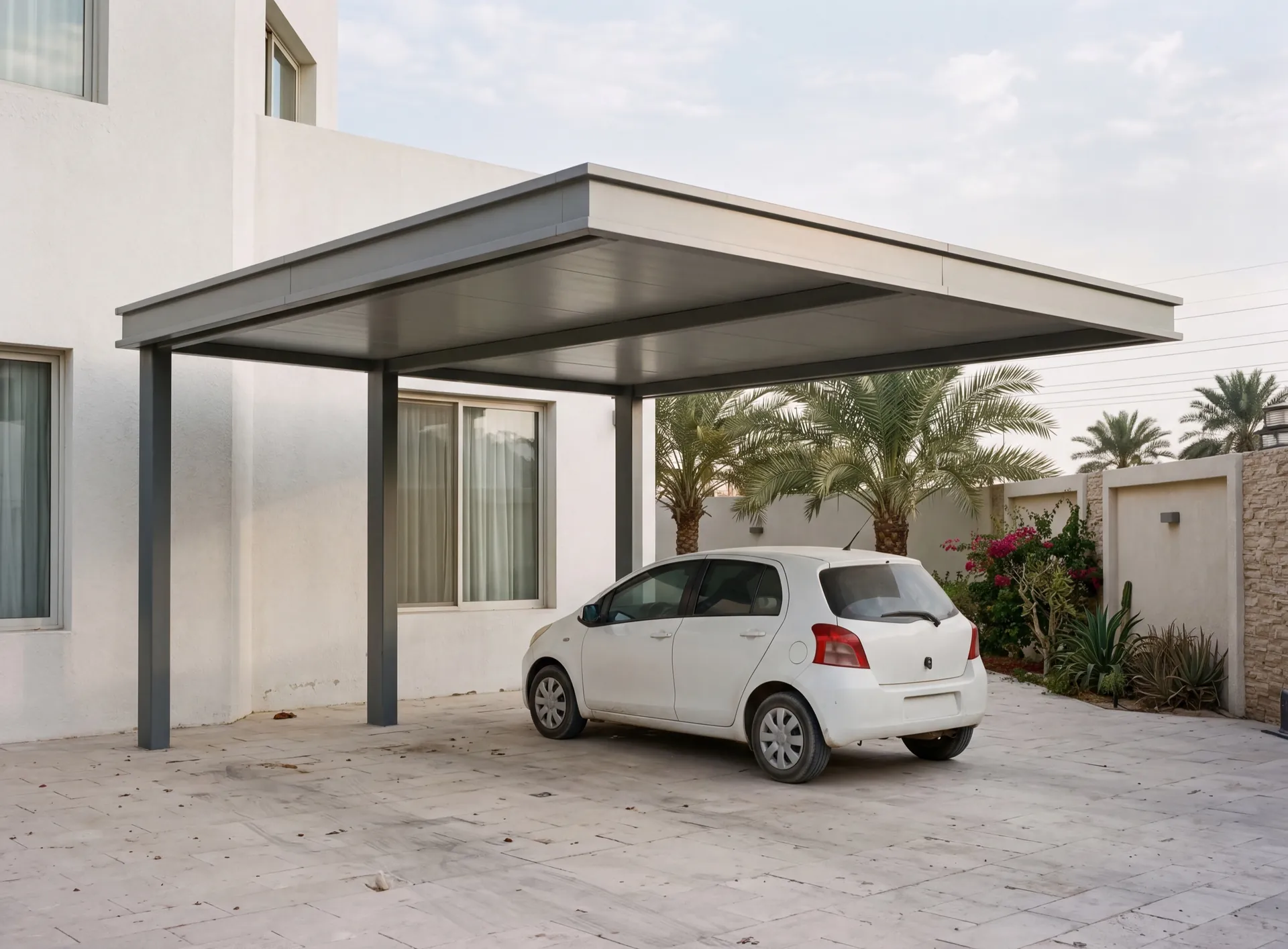
Cantilevered aluminium carport with no front posts beside a modern Dubai villa, a car parked in its shade on a pale stone driveway
  • MATERIALS
  • BEFORE YOU BUY

What a carport is actually made of

A carport has two material decisions — the frame and the roof — and they fail in different ways. The frame corrodes; the roof degrades in ultraviolet or cooks the car underneath it. Almost every disappointing carport in this city got one of those two wrong.

Published · updated · 4 min read

  • frame corrosion decides it
  • roof ultraviolet decides it
  • free survey on your driveway
Request a call

The short answer: an aluminium frame with an insulated panel roof is the specification that ages best here, and a cantilevered layout is worth its extra cost if you value getting in and out of the car without dodging a post. Everything below is the reasoning, including the cases where cheaper materials are genuinely the right call.

The frame: aluminium against galvanised steel

Steel is stronger per section, which is why it makes long spans possible with a slimmer profile, and it is usually cheaper as raw material. Its problem here is not strength but chemistry. Galvanising protects steel until the coating is broken — at a drilled hole, a cut end, a scratch from a ladder — and in humid, salt-laden coastal air the rust starts at exactly those points and travels underneath the paint.

Aluminium does not rust. It forms its own oxide layer and stops, which is why it is the default for anything permanently outdoors on this coast. It is less stiff than steel, so sections are deeper for the same span, and that is the honest trade: a slightly chunkier frame in exchange for not repainting it.

If steel is chosen — and there are good reasons to, particularly for very long spans — the details to insist on are hot-dip galvanising after fabrication rather than before, and stainless fixings. A steel frame welded and drilled after galvanising has bare metal at every joint, and in five years you will see exactly where.

The roof, and how hot it gets underneath

Insulated sandwich panels — two metal skins with a foam core — are the best all-round roof here. They block the sun completely, the core slows the heat coming through, and the underside stays cool enough that the space beneath is genuinely shaded rather than merely covered. They are the most expensive of the common options and the one that makes the biggest difference to a parked car in July.

Polycarbonate is translucent, light and inexpensive, and it is the material most often regretted. It transmits a substantial part of the sun's energy, so the car underneath still heats up; the greenhouse effect under a closed polycarbonate roof can make it worse than open shade. Multi-wall and tinted grades reduce this, and the good ones carry a coating that resists ultraviolet. The cheap ones yellow and go brittle, and here that happens in a small number of years rather than a decade.

Aluminium louvres are the third answer and an underrated one: fixed or adjustable blades that block direct sun while letting hot air rise straight out. The car gets dappled rather than complete shade, but the space never becomes an oven, and there is no sheet material to degrade.

Fabric — tensioned membrane — is the cheapest and the most temporary. It looks good when new, it moves attractively in wind, and it is a consumable: the material has a service life measured in a few years here, after which it is a replacement rather than a repair.

Layout: cantilever, post-and-beam, or wall-mounted

A cantilevered carport carries the roof from posts on one side only, so the parking bay is clear of obstructions. It is the most comfortable to use — no post to squeeze past with shopping, no risk of a mirror finding one — and it is the most expensive, because the structure and its foundations must resist the whole roof trying to tip.

A post-and-beam carport with supports on both sides is the straightforward option and materially cheaper. On a wide driveway where the posts sit clear of the doors it is entirely sensible, and it is what most villas end up with.

A wall-mounted canopy takes half its support from the villa. It is neat where the driveway runs alongside the house, and the decisive question is what that wall is made of. Fixing into structural concrete is one job; fixing into rendered blockwork or a cladding panel is another, and it needs designing rather than assuming.

The parts nobody asks about

Drainage. A flat roof over a driveway collects the year's rain in a few events, and it has to go somewhere other than onto the car door or across the paving where it will leave a stain. Ask where the water leaves and where it lands.

Foundations. A carport is a large surface in a windy place, and the wind load is what sizes the footings. On a driveway already paved, that means breaking out and reinstating sections — visible work that should appear in the quote rather than as a surprise.

Lighting and power. Running a conduit while the structure is up is trivial; adding it afterwards means lifting paving. Even if lights are not in the budget now, put the route in.

And community approval. A carport is a permanent structure visible from the street, and in Emaar and Dubai Holding communities (Nakheel, Meraas, Dubai Properties) it always needs written approval (NOC) before work starts. Other communities have their own rules on height, projection and finish. Check before ordering rather than after.

Aluminium frame, insulated panel roof, and a cantilever if the budget reaches it. Polycarbonate is a reasonable saving only in a specified ultraviolet-stable grade, and fabric should be bought knowing it is a consumable rather than a structure.
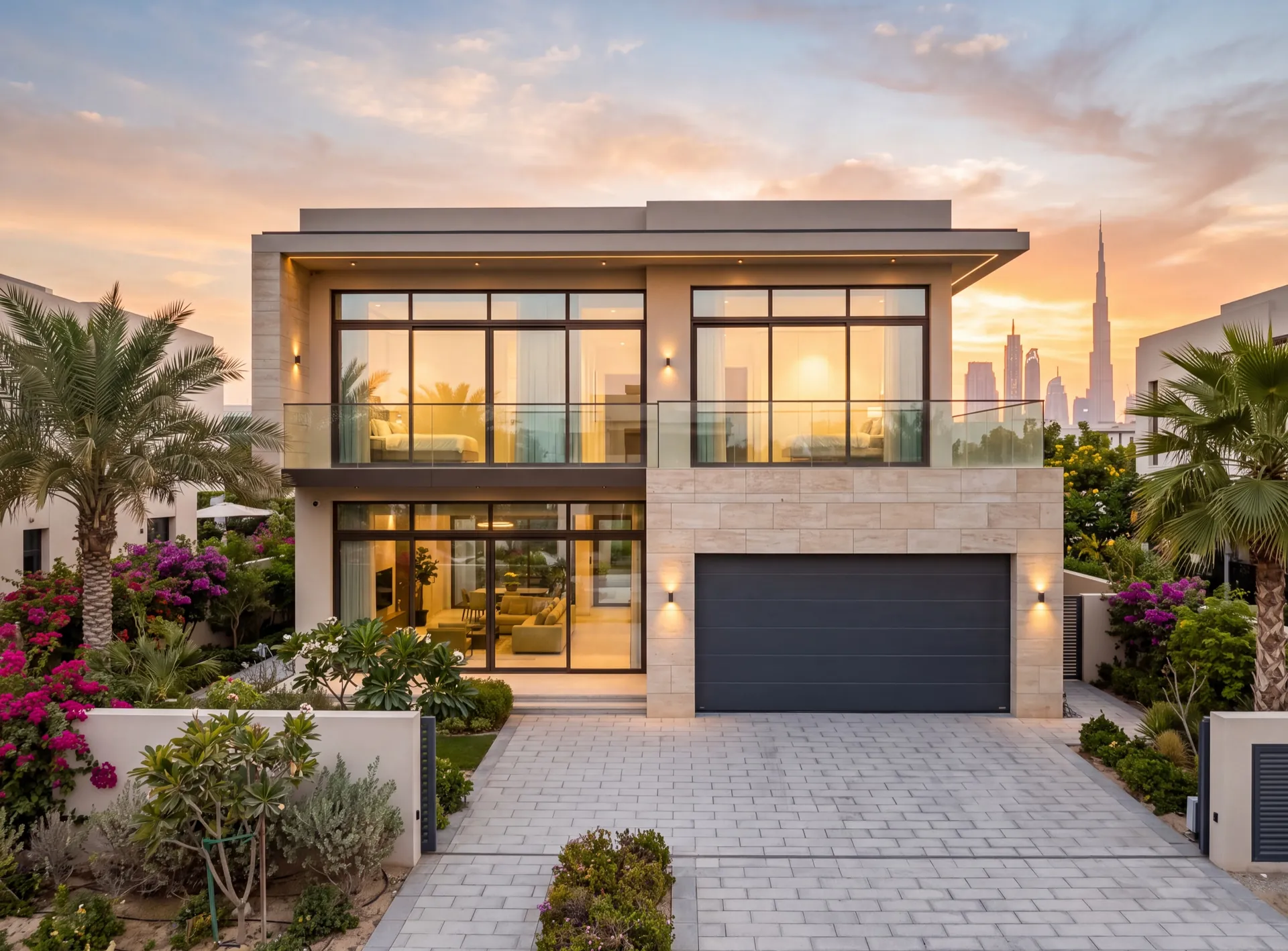
Examples of solutions

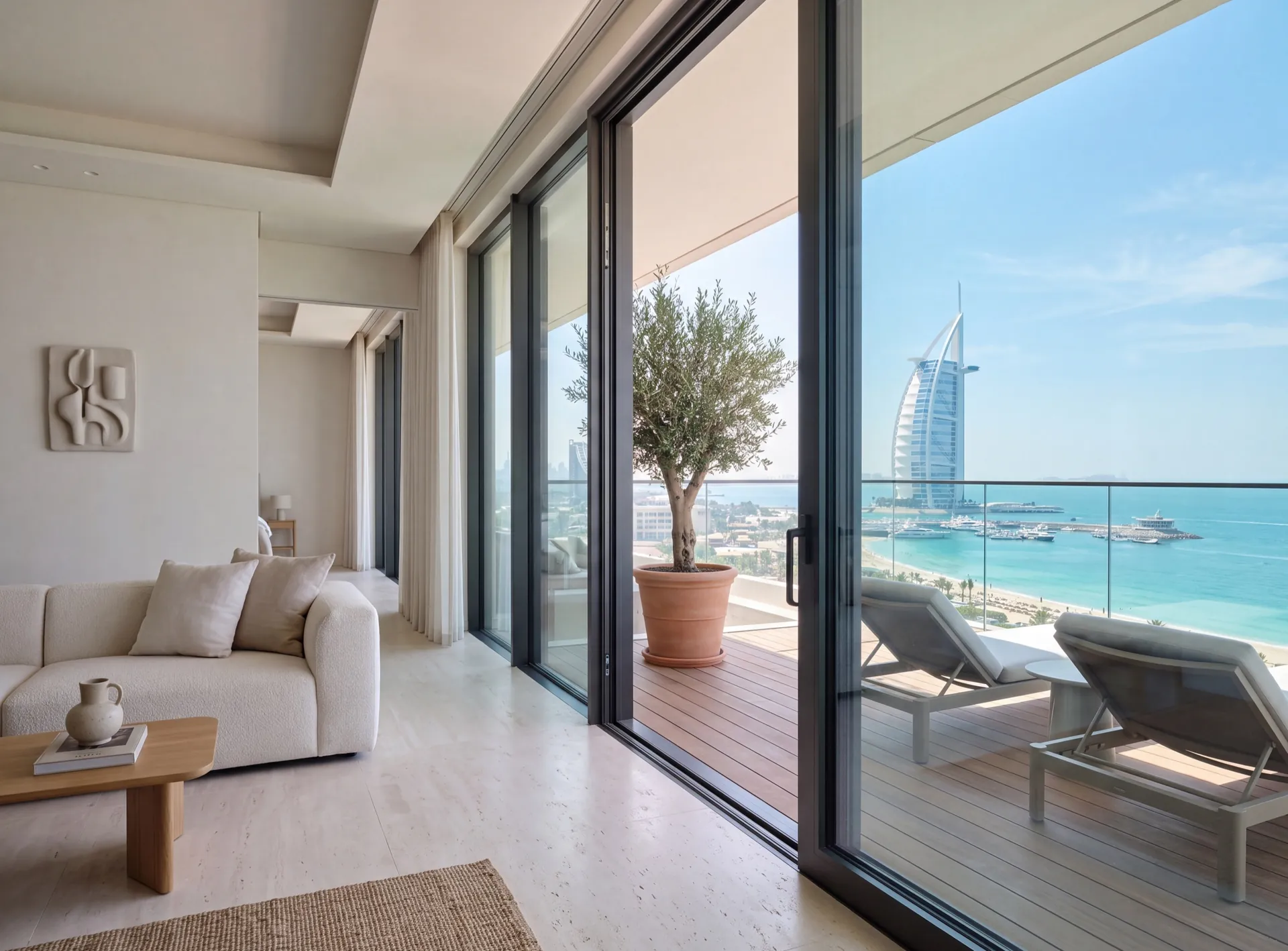
  • Sliding panoramic glazing opening onto a terrace with a view of Burj Al Arab
  • Dubai villa with dark aluminium windows and panoramic glazing
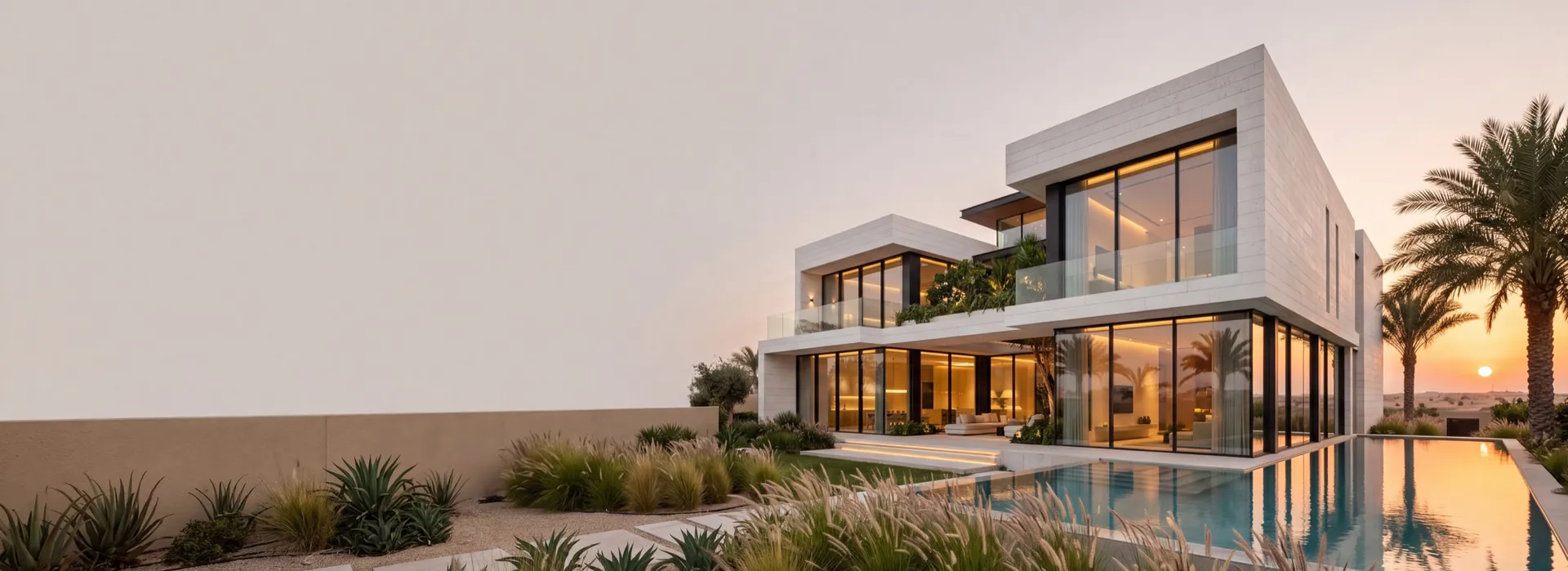
Modern villa with panoramic aluminium glazing and a pool at sunset

Let's calculate
the cost of glazing

Get a free calculation for your windows — just leave your number, we'll reply on WhatsApp within 15 minutes.

Advantages of working with us

  • In-house production

    Windows, doors and glazed structures are made at our own factory in the UAE. Manufacturing takes 3–5 weeks from the survey, and the dates are written into the contract.

  • Room measurement

    After a free consultation, an engineer comes to measure within 48 hours and answers the technical questions on site — openings, profile, glass and hardware.

  • Delivery of products

    We deliver with our own transport across Dubai and all Emirates, and the installation date is agreed in advance so the crew arrives with the finished units.

  • Installation on site

    A "clean" installation is carried out – all construction debris is removed, and dust and dirt are cleaned. Work can be conducted with or without your presence. The date and time are discussed individually.

  • Guarantee

    The structures we make and the installation our crews carry out are covered by one warranty under one contract. The profile system also carries the manufacturer's warranty — up to 20 years, depending on the system.

  • Service

    Warranty cases are handled by the same crews that did the installation: send the address and photos, and in most cases we can say before the visit whether it is an adjustment, a gasket or a glass unit.

Profile Systems

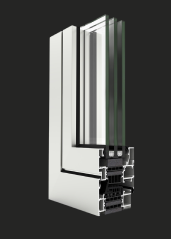
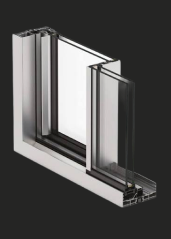
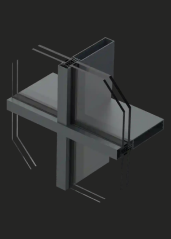
  • Schuco aluminium profile system cross-section

    Schuco

    Schüco aluminium systems carry large panes on slim frames — for villas, apartments and offices where the view matters.

    Learn more about Schuco
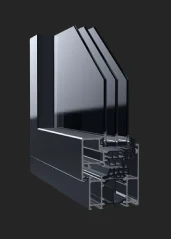
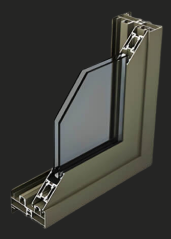
  • GUTMANN aluminium profile system cross-section

    GUTMANN

    GUTMANN systems are offered by Gutmann Middle East LLC, based in Dubai Investments Park: hinged windows and doors, sliding and lift-and-slide doors, curtain walls and glass railings

    Learn more about GUTMANN
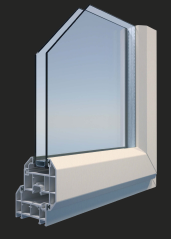
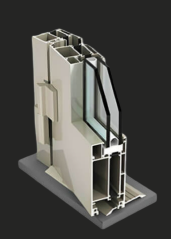
  • Deceuninck uPVC profile system cross-section

    Deceuninck

    Deceuninck uPVC profiles are designed in Belgium for superior insulation, weather resistance and a sleek finish. A popular choice for energy-efficient homes across Europe

    Learn more about Deceuninck
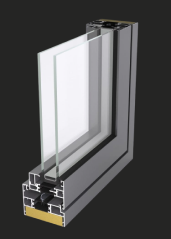
  • Cortizo aluminium profile system cross-section

    Cortizo

    Cortizo aluminium systems combine precise Spanish engineering with high thermal and acoustic performance. A reliable choice for windows, doors and facades that need to perform in demanding climates

    Learn more about Cortizo
  • Gulfex Montana 120 aluminium profile system cross-section

    Montana 120

    Montana 120 is a thermal-break sliding series from Gulfex (Gulf Extrusion LLC), with the profile extruded here in Dubai. A straightforward choice for sliding windows and balcony doors of ordinary size

    Learn more about Montana 120
  • Gulfex TB-600 aluminium profile system cross-section

    TB-600

    TB-600 is the thermal-break hinged window and door series of Gulfex (Gulf Extrusion LLC). The profile is extruded in Dubai, and the same maker covers sliding, folding and curtain-wall systems

    Learn more about TB-600
  • ALUK aluminium profile system cross-section

    ALUK

    ALUK is an Italian aluminium systems brand known for slim, minimalist frames that maximise glass area without compromising strength. Perfect for architectural projects that call for a light, contemporary look

    Learn more about ALUK
  • Vetromax glazing system profile

    Vetromax

    Vetromax combines advanced glazing technology with aluminium framing for maximum light, strength and energy efficiency. A modern solution for panoramic windows and glass facades

    Learn more about Vetromax
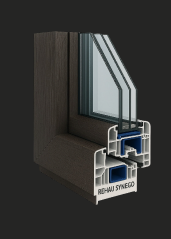
  • REHAU uPVC profile system cross-section

    REHAU

    REHAU uPVC systems are engineered in Germany for outstanding thermal insulation, soundproofing and long-term durability. A proven choice for energy-efficient windows and doors worldwide

    Learn more about REHAU

Frequently asked questions

An insulated sandwich panel, because it blocks the sunlight entirely and its core slows the heat that does arrive. Aluminium louvres come next and have the advantage that hot air escapes upward instead of collecting. Clear or lightly tinted polycarbonate is the weakest for this, since a lot of energy passes straight through it.

Aluminium for almost all domestic cases, because it does not rust and needs no repainting in coastal air. Steel is worth considering for unusually long spans where its stiffness lets the structure stay slim — but only if it is hot-dip galvanised after fabrication and fitted with stainless fixings.

It depends entirely on the grade. Sheets with a proper ultraviolet-protective layer perform respectably for years; unprotected budget sheets yellow and become brittle noticeably faster here than in milder climates. If polycarbonate is chosen, the ultraviolet specification is the line in the quote that matters.

Yes in Emaar and Dubai Holding communities (Nakheel, Meraas, Dubai Properties): a carport is a permanent structure, usually visible from the street, and it always needs written approval (NOC) before work starts; authority permits may be needed as well. Other communities have their own rules, so confirm yours before placing an order.

We are always happy to welcome you at our showroom

Main Office

Dubai — Showroom

The Pinnacle Building, Sheikh Zayed Road, Office 607

Mon–Fri: 9:00 – 18:00

+971 50 220 6913

Showroom

Samples to see in person

Profiles, glass units and hardware to see and touch before you choose.

Dubai — Showroom The Pinnacle Building, Sheikh Zayed Road, Office 607
Get directions