






Bioclimatic pergolas
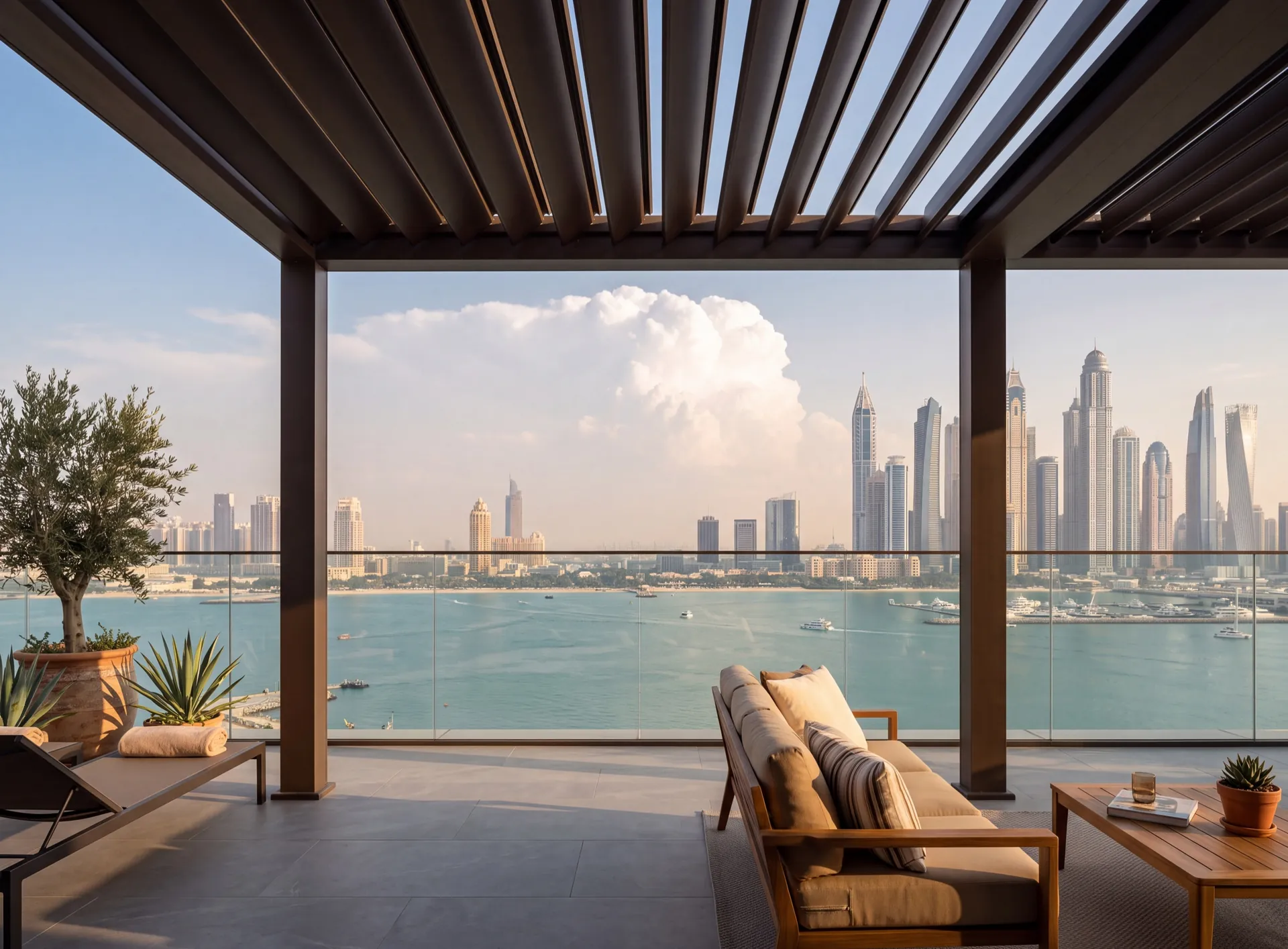
Bioclimatic describes where the instruction comes from, not what the roof is made of. The structure reads the weather through a handful of sensors mounted on itself and answers by changing shape, so the useful questions are narrow ones: what each sensor is physically detecting, which reading is allowed to overrule which, and what position the roof settles into when nobody is home and the electricity goes.
- rain and wind sensed
- weather first priority
- holds its angle no power
What the structure reads and how it answers
-
Wet contact
Rain sensor
A bridged plate, not a forecast
-
Cup anemometer
Wind sensor
Set in clear air, off the roof line
-
Agreed on the day
Thresholds
Written into the handover sheet
-
Automatic wins
Priority
Weather overrules the wall switch
-
Self-locking
Drive at rest
Position held, released by hand
Let's calculate
the cost of glazing
Get a free calculation for your windows — just leave your number, we'll reply on WhatsApp within 15 minutes.
Why choose aluminium windows?
-
Durable EPDM seals
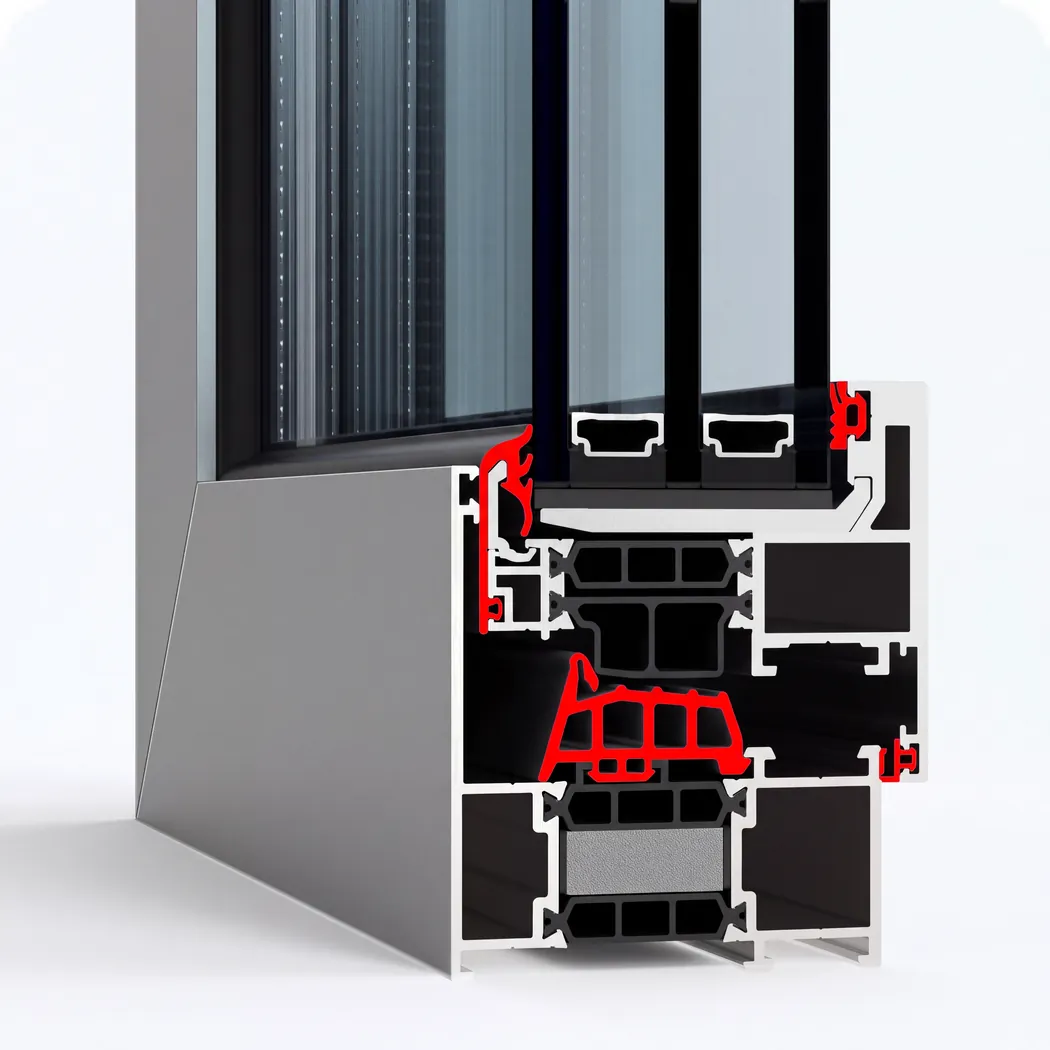
Three contours of EPDM seals keep the glass off the aluminium and close the gap between sash and frame, so dust, humid salt air and wind-driven rain stay outside.
Learn more -
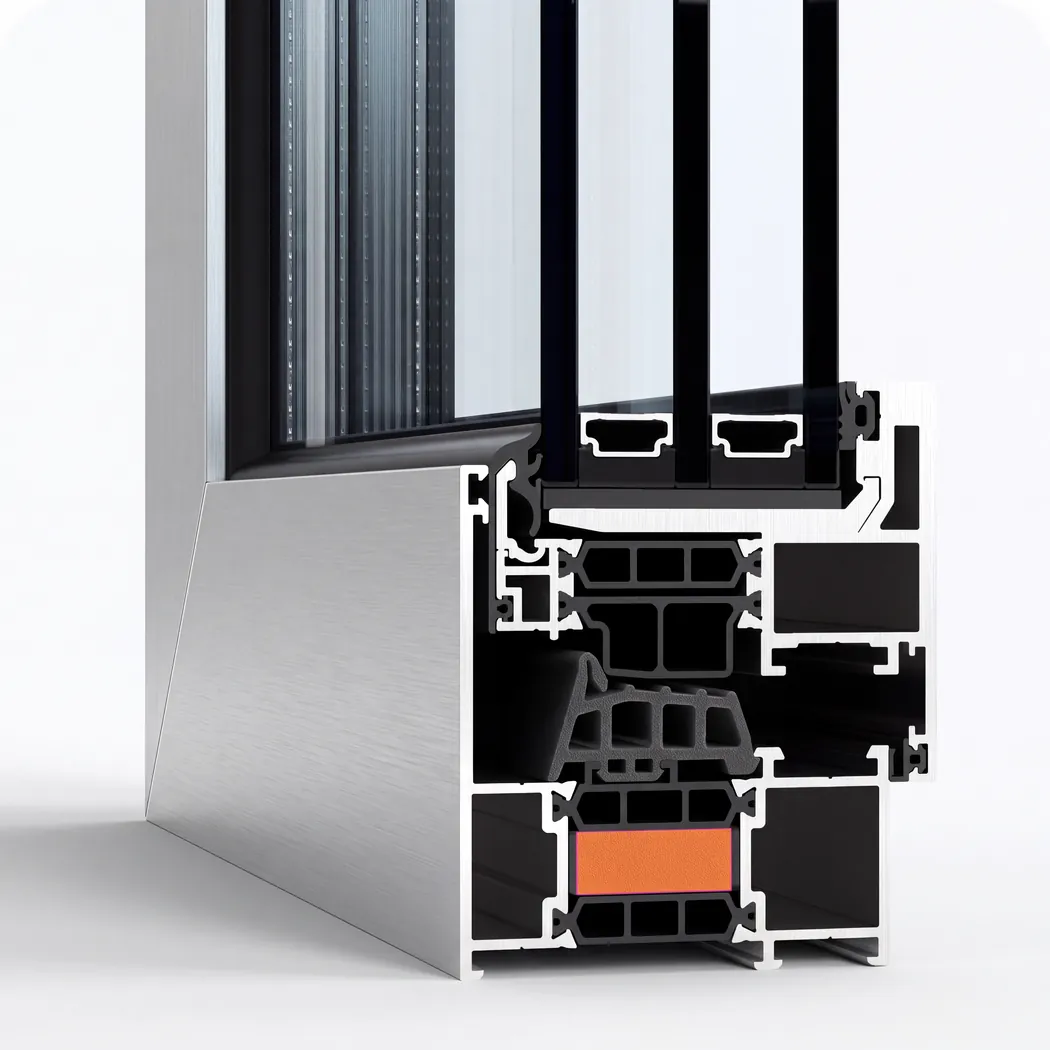
Foamed thermal inserts
Foamed inserts fill the profile chambers and stop air circulating inside them, so less outside heat and street noise passes through the frame into the cooled room.
Learn more -
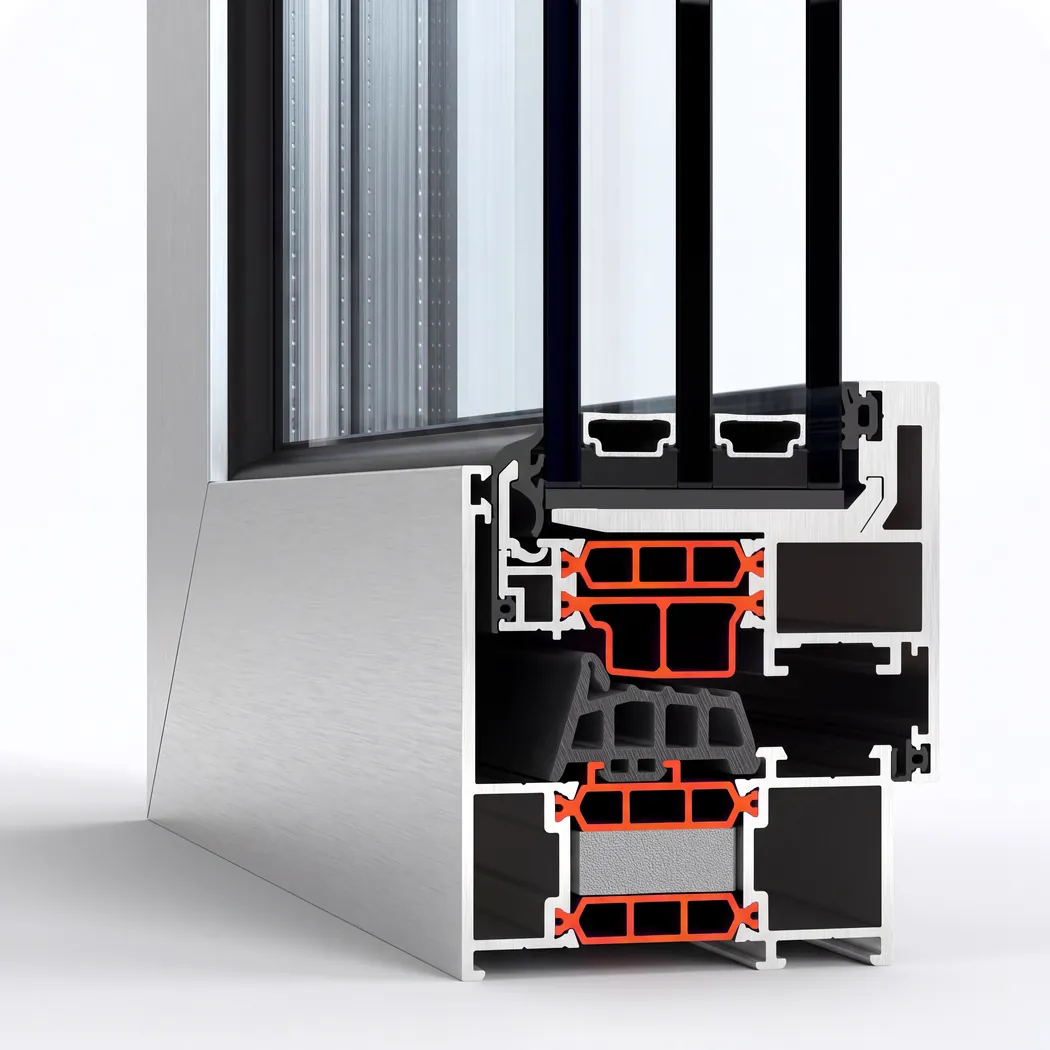
Polyamide thermal breaks
Glass-filled polyamide thermal breaks up to 40 mm wide keep the outer and inner shells apart, so the frame holds its shape and its insulation through a UAE summer.
Learn more -
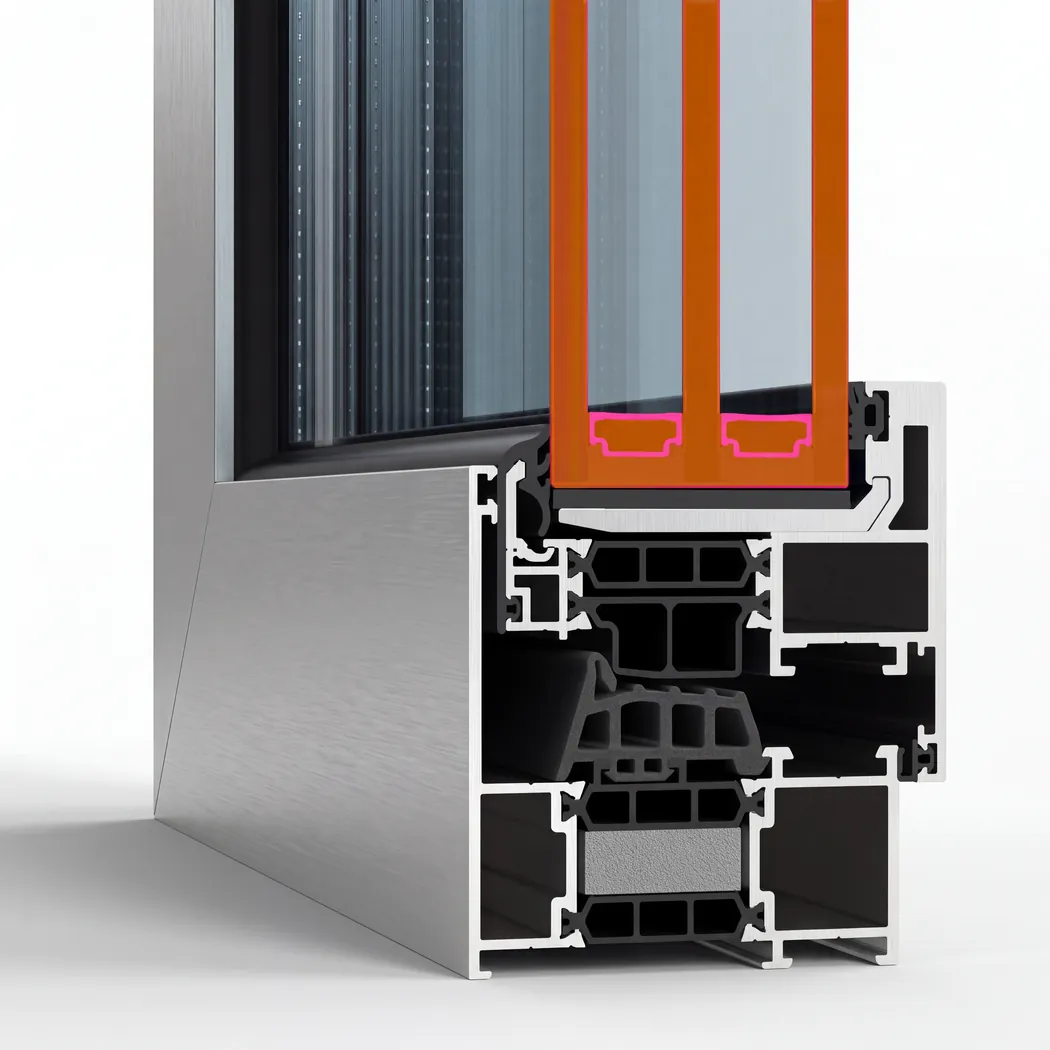
Energy-efficient double glazing
Double glazing up to 60 mm thick puts a sealed gap of still air or gas between the hot street and the cooled room, so less heat crosses the glass into the room.
Learn more
Commissioning a roof that decides for itself
- Sensor positions picked on site Open sky for wet, clear air for wind
- Trigger points set with the owner Agreed aloud, then written down
- Order of precedence loaded Which instruction beats which
- Loss of supply acted out Shown at handover, not described
- Hand release tried by the household Someone has done it once already
- Sensors rechecked after the dust season A coated sensor reports the wrong weather
Brands we work with
Articles

The honest downside
The blind spots of a bioclimatic roof
In this climate the rain sensor spends most of the year waiting, and it cannot tell rain from a garden sprinkler. Irrigation spray reaching the plate can close the roof on a dry evening, so the sensor has to sit clear of the watering as well as open to the sky.
The roof also remains a set of blades. Closed, it sheds water rather than sealing against it, so rain driven sideways by a squall can still find the overlaps, and a sensor coated in dust reports the wrong weather until someone cleans it. More sensors mean more to check after the dust season.
If the space below has to stay dry whatever happens — a set table, cushions, a screen — a gazebo with a closed deck does that without deciding anything. A bioclimatic roof is still the better choice for villas left empty for long stretches, where nobody is there to turn the blades.
 Consider instead
Gazebos
Consider instead
Gazebos
Frequently asked questions
Less than the word bioclimatic suggests. A wet sensor is a small plate that notices when water bridges two contacts on it — it knows that something landed, not that a storm is coming. A wind sensor is a spinning cup or a vane reading how fast air is moving past that particular corner of the garden. Some installations add a light or temperature reading to swing the blades round through the day. None of it is a forecast; the roof reacts to what is happening on the structure at that moment, which is why the sensor is placed where the weather actually reaches it.
If the wind reading passes the point you agreed, yes, and it should. A large flat roof of blades in a gust is a sail, and the safest shape is the one that spills air instead of catching it, so the wind instruction is placed above every command a person can give from the switch or the phone. The setting that makes the difference is the trigger point: too low and the roof fidgets every windy afternoon, too high and it protects nothing. It is set on site with you and can be adjusted again once you have lived with it for a while.
Where they were. The drives are the self-locking kind, so losing the supply does not let the roof fall open or slam shut — it simply stops holding a new position and keeps the last one. Every bay has a manual release so the blades can be turned by hand, and it is worth having somebody in the household do that once at handover, because the moment to learn it is not during an outage. Nothing about the structure depends on electricity to stay safely where it is.
That is the case where it earns its keep. A manual roof left flat all summer bakes, and a manual roof left open lets everything under it weather; either way somebody has to be there to change it. A reacting roof handles both without an audience, which matters for a holiday home or a rented villa. What it cannot do is see sand — dust arrives on wind the sensor does register, but the roof closing does not keep the terrace clean, and no sensor setting changes that.
Related pages
Nearby pages and the rest of the catalogue.
Sections
Company
We are always happy to welcome you at our showroom
Main Office

Dubai — Showroom
The Pinnacle Building, Sheikh Zayed Road, Office 607
Mon–Fri: 9:00 – 18:00
Showroom

Samples to see in person
Profiles, glass units and hardware to see and touch before you choose.
Dubai — Showroom
The Pinnacle Building, Sheikh Zayed Road, Office 607
Get directions 