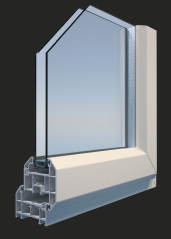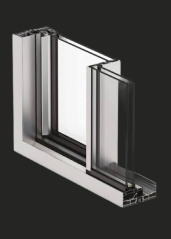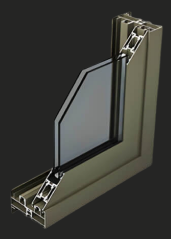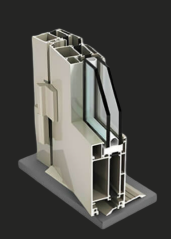



Gutmann Middle East LLC in Dubai Investment Park 2 offers F50/F60 in the UAE. We fabricate the mullions and transoms at our Dubai factory to the manufacturer's specification and erect and glaze the wall on site with our own crews.
How a stick curtain wall is built
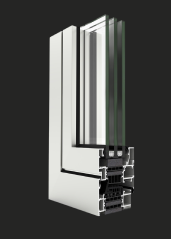
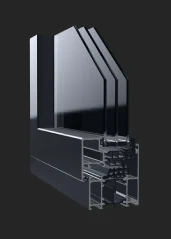
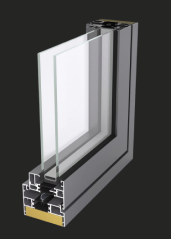
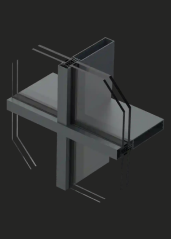
A mullion-transom wall is assembled on the building: vertical mullions are fixed to the slabs, transoms are joined between them, and the glass goes in last. In F50/F60 mullion and transom share one profile, cut straight with no notching, which keeps offcuts small and fabrication quick. Joint connectors give a gap-free transom joint, and the inner glass gaskets are the same width on mullions and transoms, so the grid looks even from inside.
What the figures mean in the UAE
Us 0.9–1.5 W/m²K is calculated to DIN EN ISO 10077-2; where a given wall falls in that range depends on the glass and the frame build-up, so we calculate it for your elevation. Watertightness 1500 Pa is the highest water value among the GUTMANN curtain walls offered here, and wind class C5 sits at the top of the wind scale. Air permeability is published in class AE.
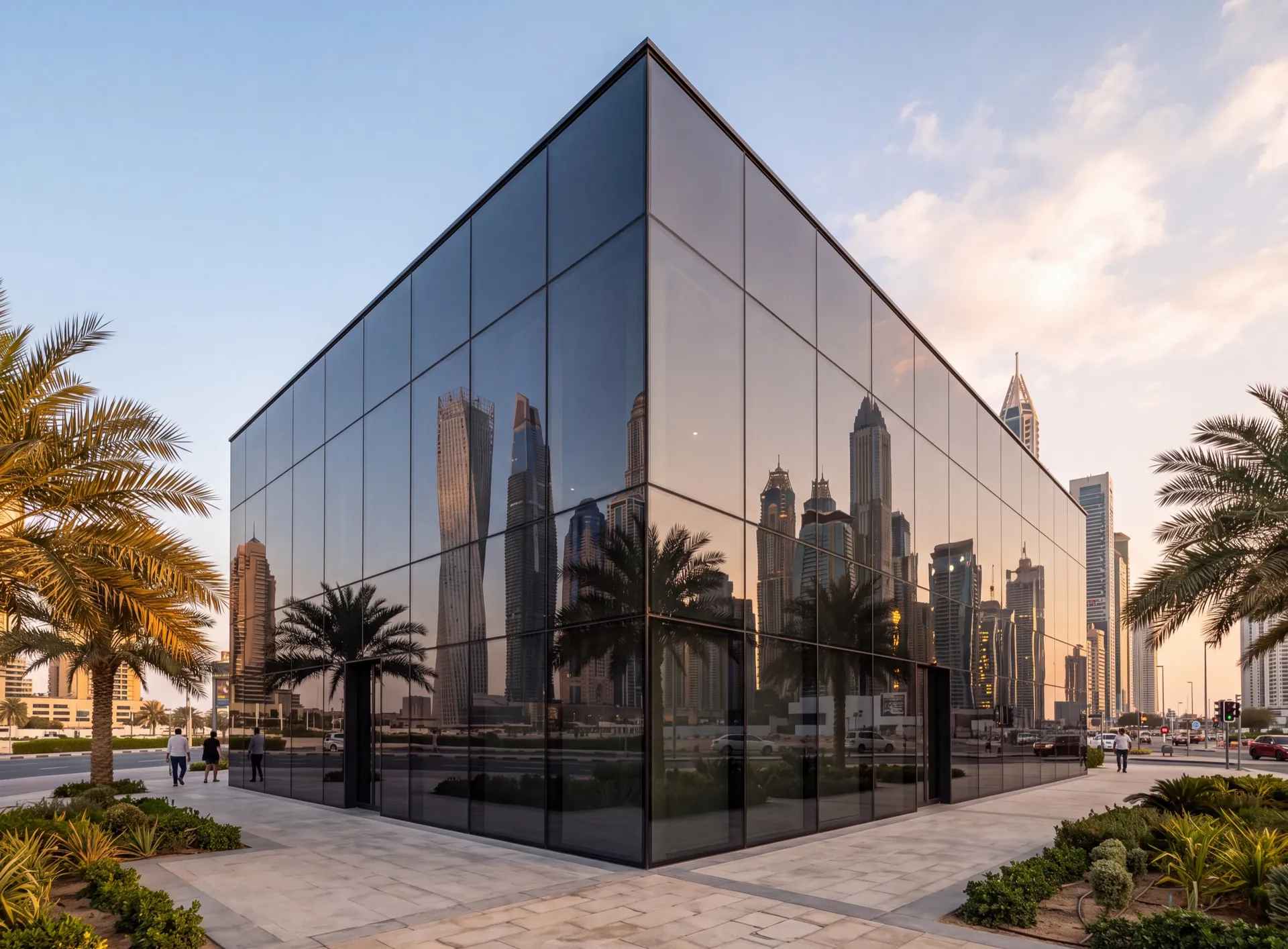
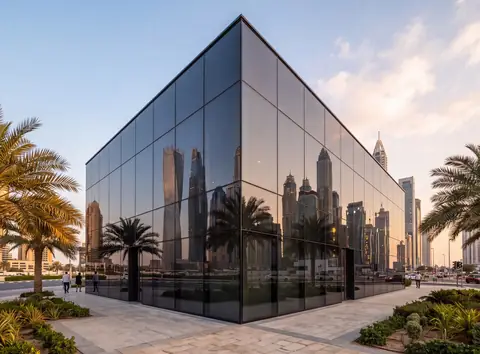
Structural glazing and semi-SG versions hide the frame on the outside for a flush glass look, which is popular on Dubai offices and showrooms. Bonded glass needs a clean, dry glazing environment, so on a dusty site we plan the glazing sequence carefully.
F50/F60 or F50/F60 Staggered
F50/F60 Staggered uses the same face width and profile principles but is a semi-unitised system, with Us 0.76–1.8 W/m²K, watertightness 1000 Pa and air permeability class C4. Choose F50/F60 for buildings where glazing on site is practical; the Staggered version when part of the work should move into the factory.
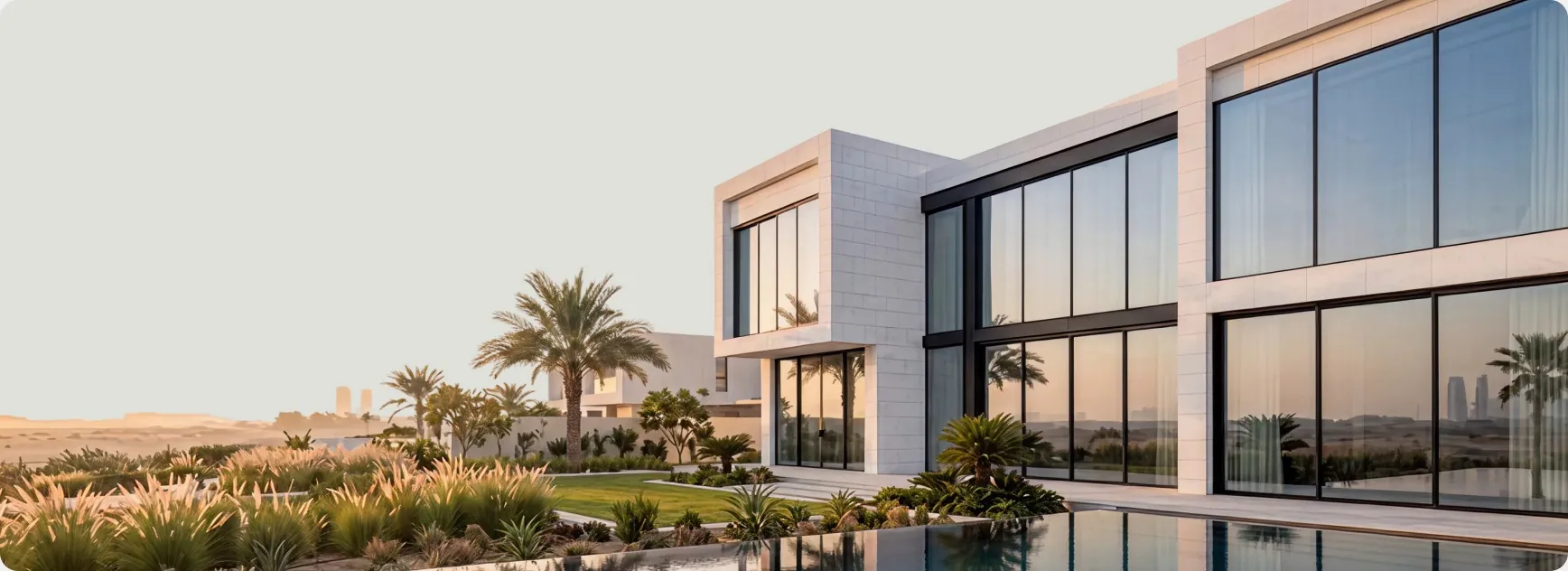
F50/F60 is the GUTMANN workhorse curtain wall for offices, showrooms and villas, with the best published water figure in the range and SG options for a flush glass look.