


Main Office

Dubai — Showroom
The Pinnacle Building, Sheikh Zayed Road, Office 607
Mon–Fri: 9:00 – 18:00
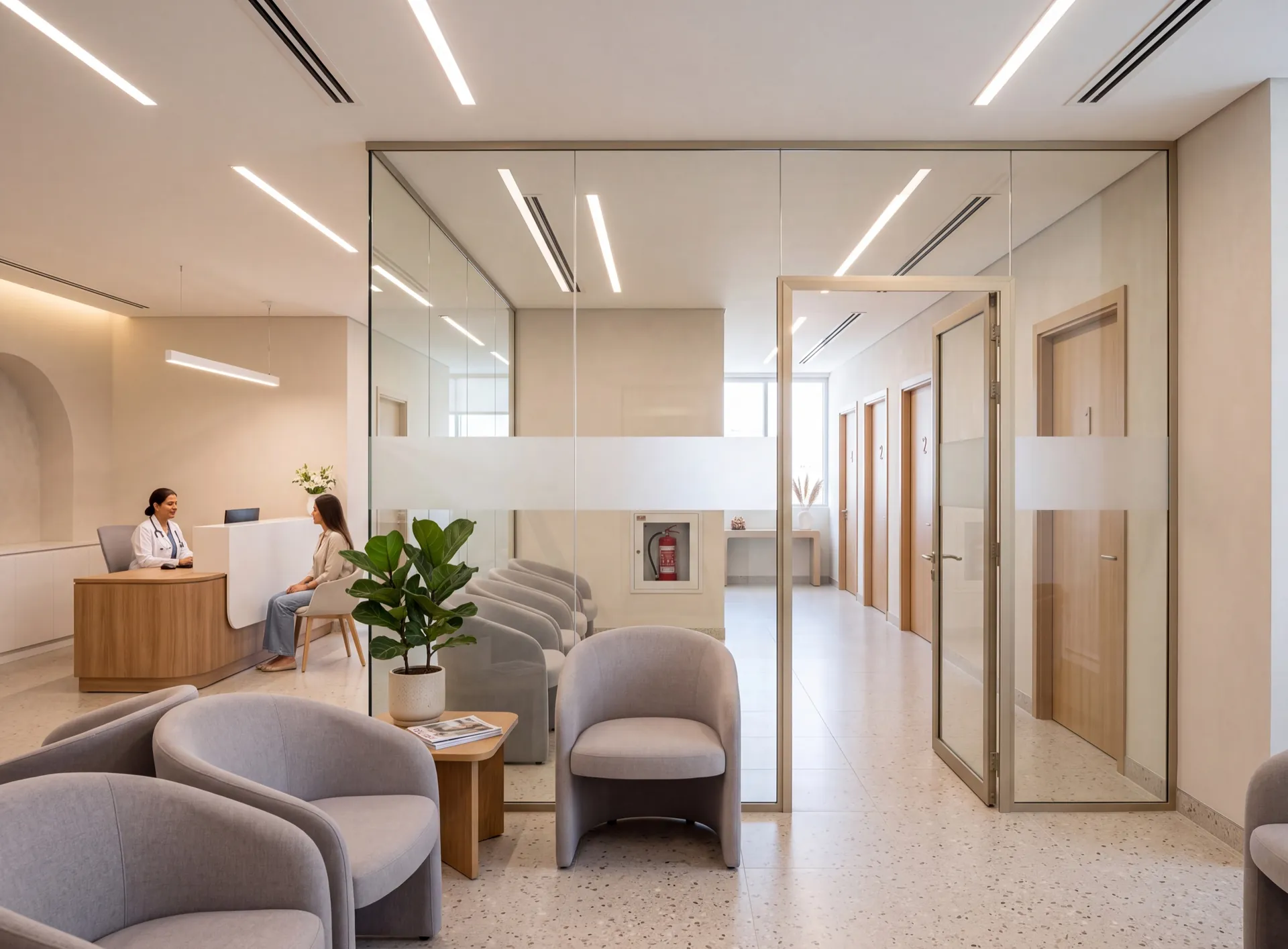
A screen inside a building has none of an external wall's duties. There is no weather on it, nothing to insulate against, no facade orientation to answer to. What it does have is a job in sound and a job in safety, and three junctions that decide how well it does either: the head, where a concrete slab that moves must never end up leaning on the glass; the base, where a floor that is rarely quite level has to be taken up somewhere; and the wall, where blockwork is rarely quite plumb. Add the fact that a clear pane at full height is something people walk into, and you have most of the specification.
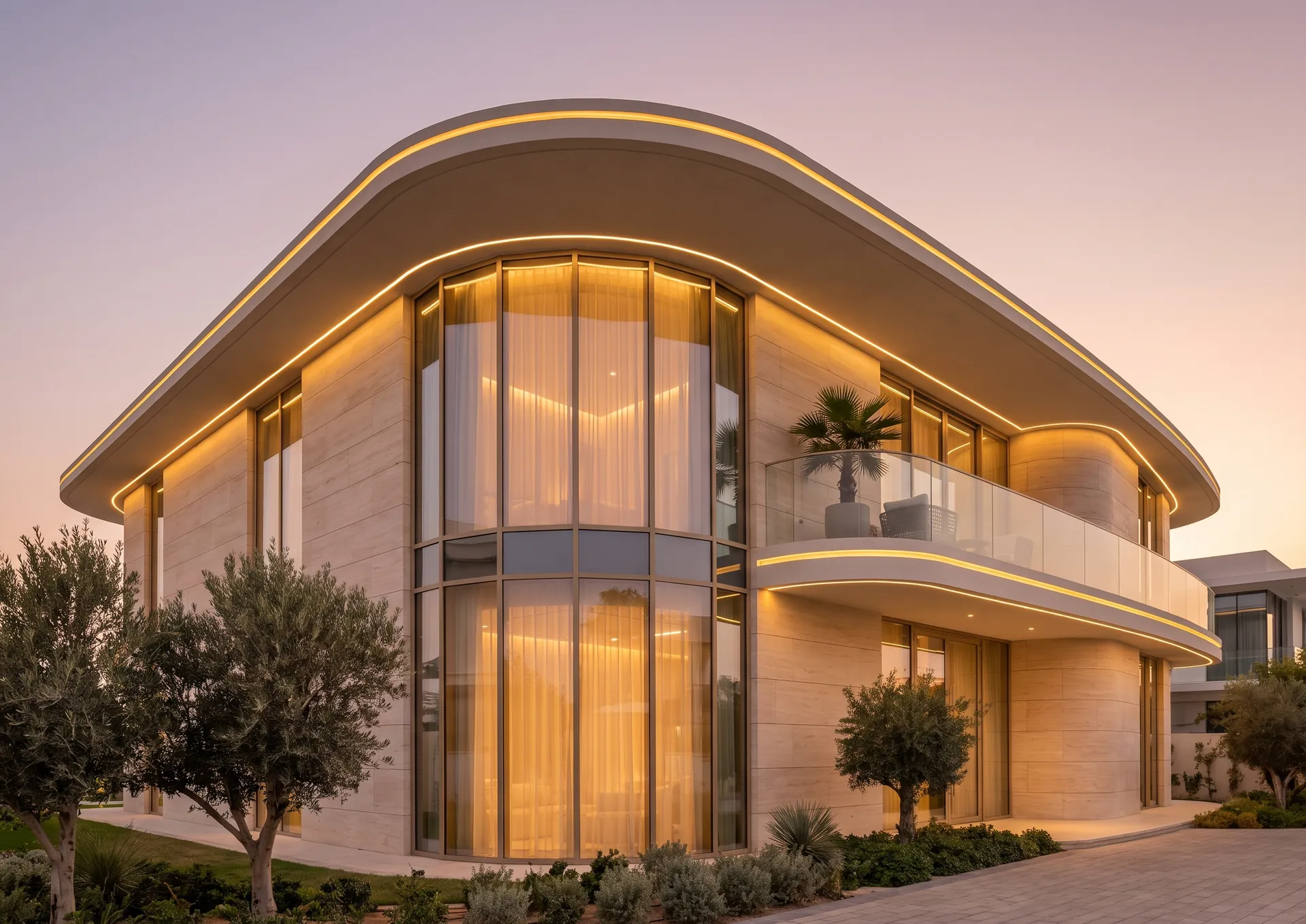
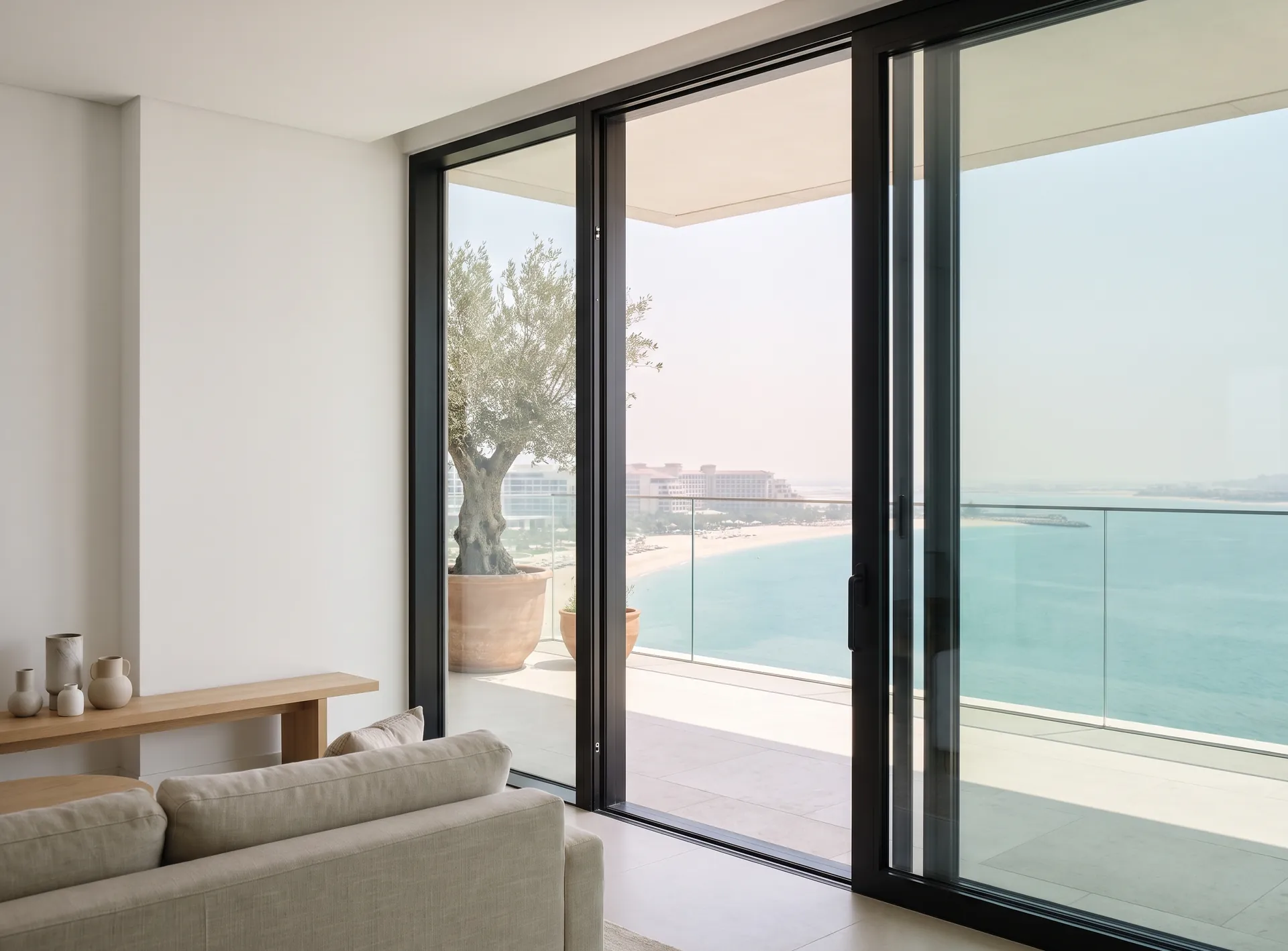
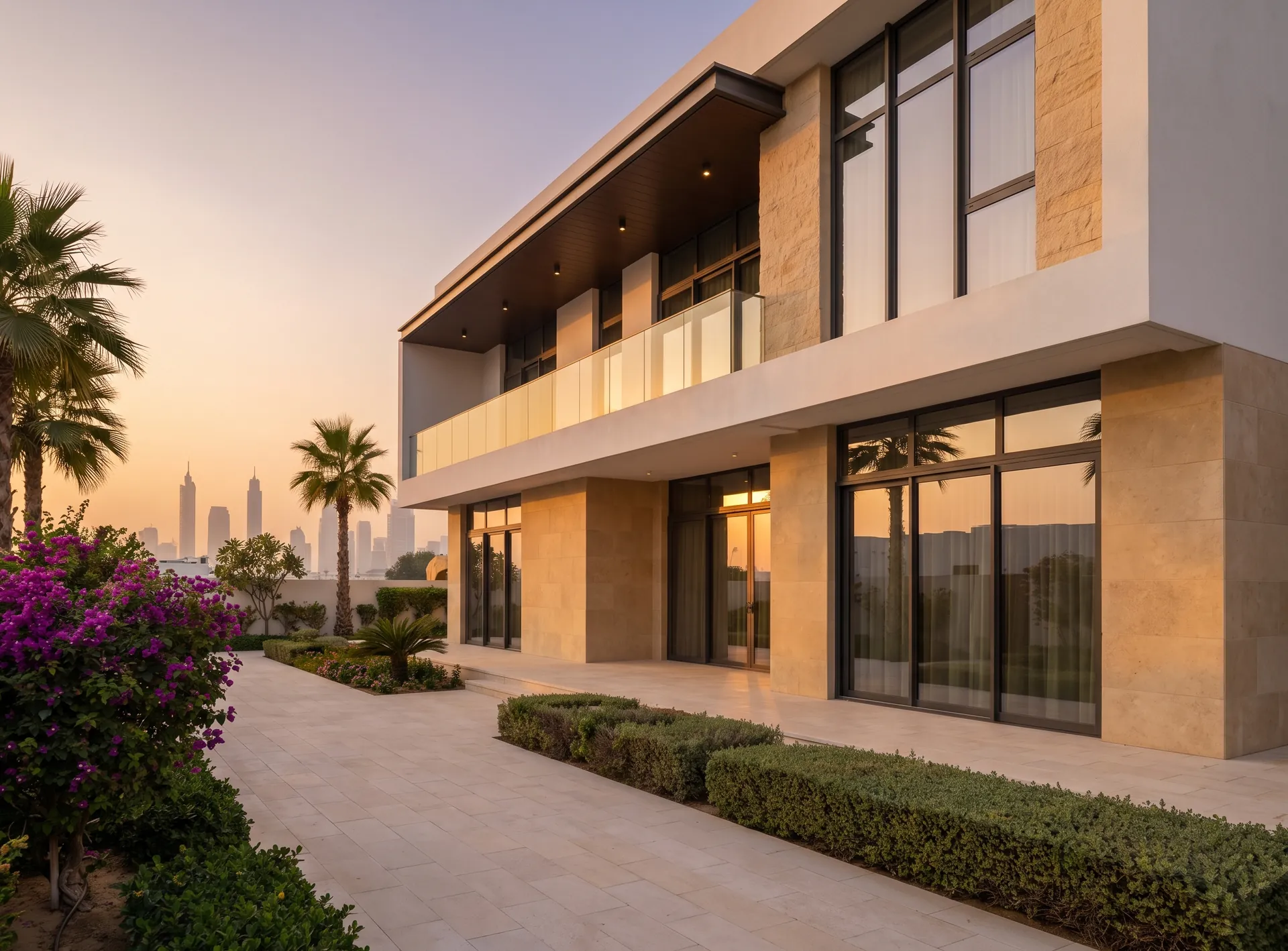
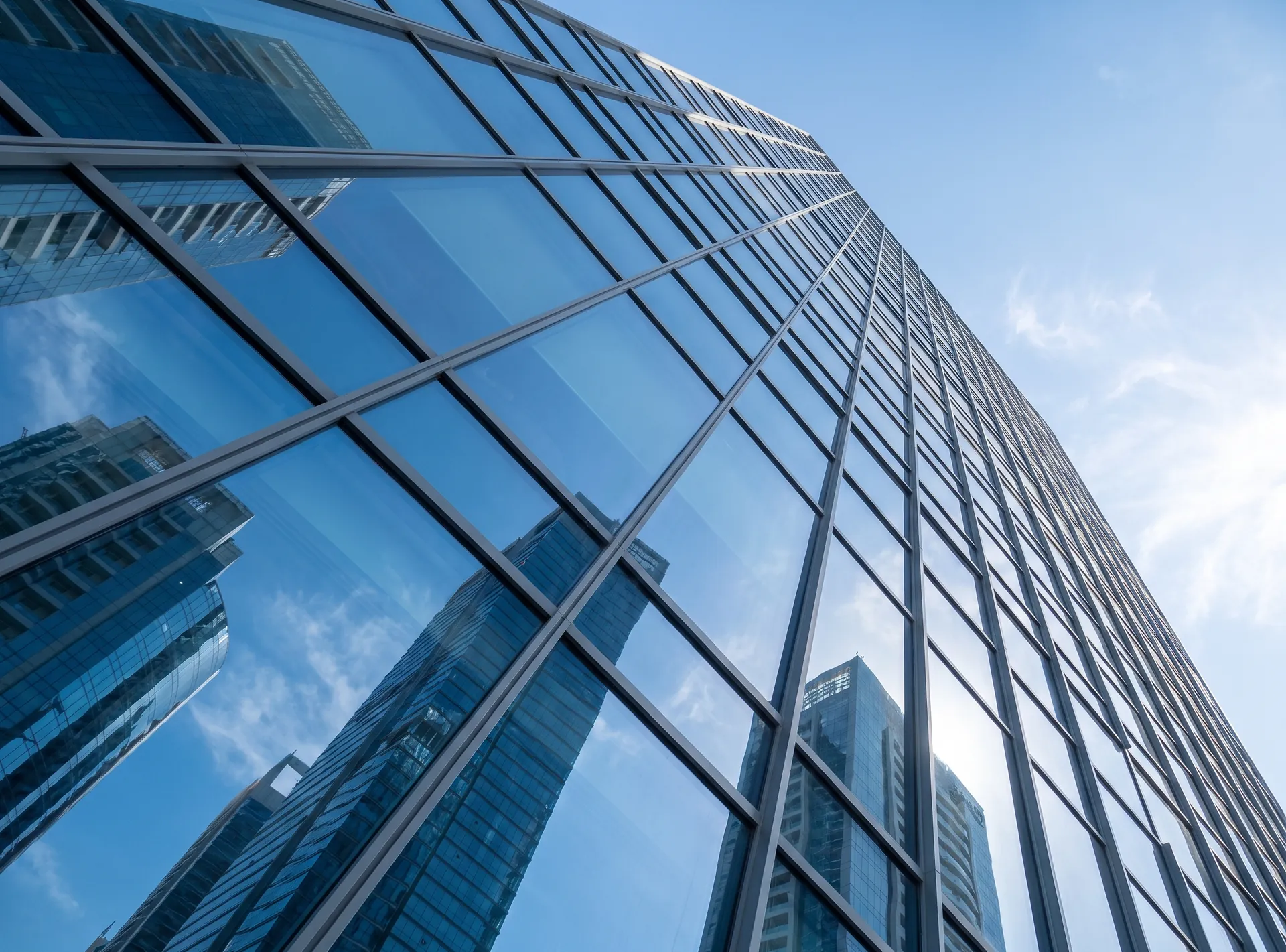
Functional, stylish and practical aluminium windows for villas and townhouses. The structures hold back heat, dust and noise, and stay comfortable to use through a UAE summer.
More details about Aluminium windows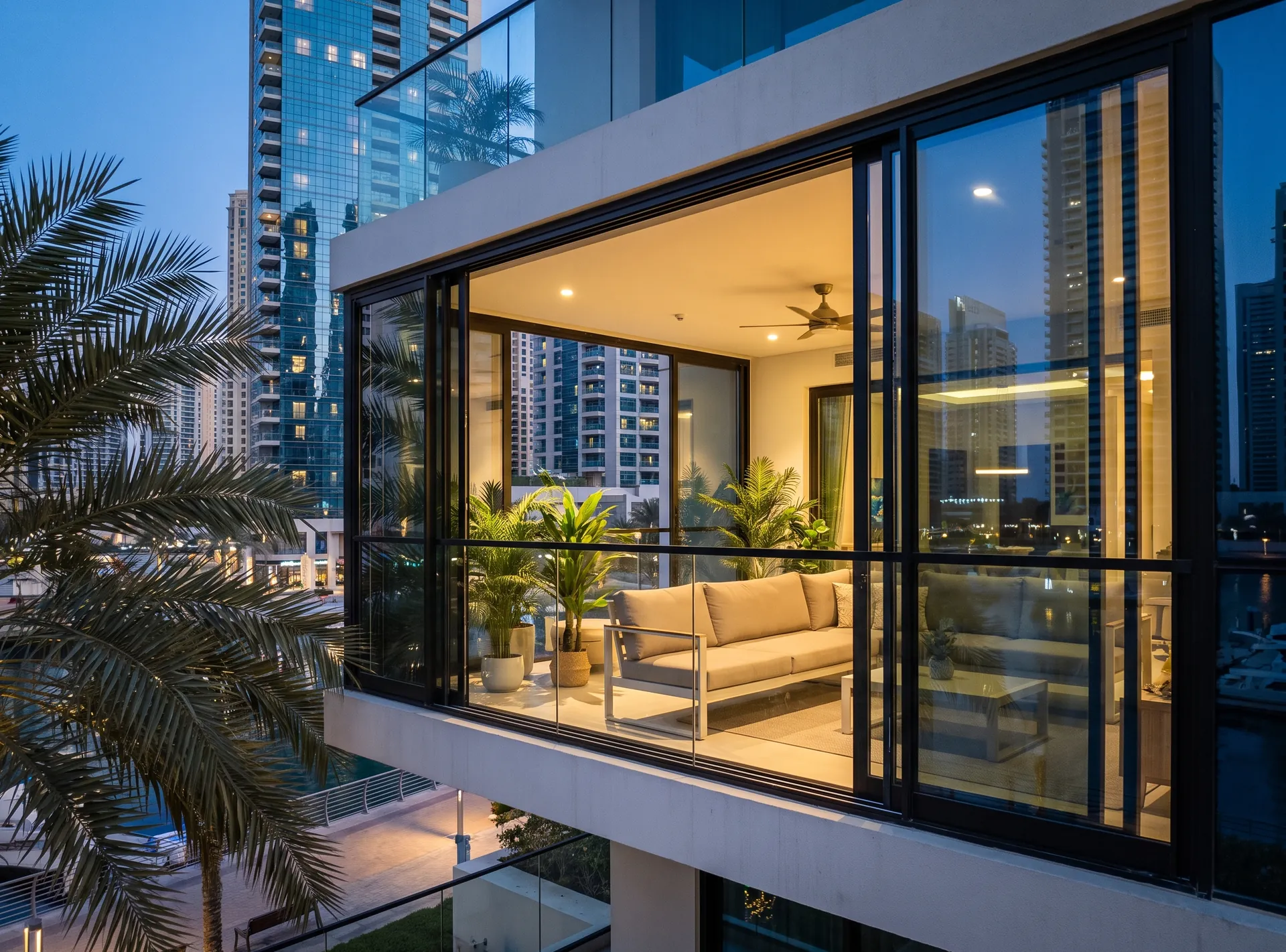
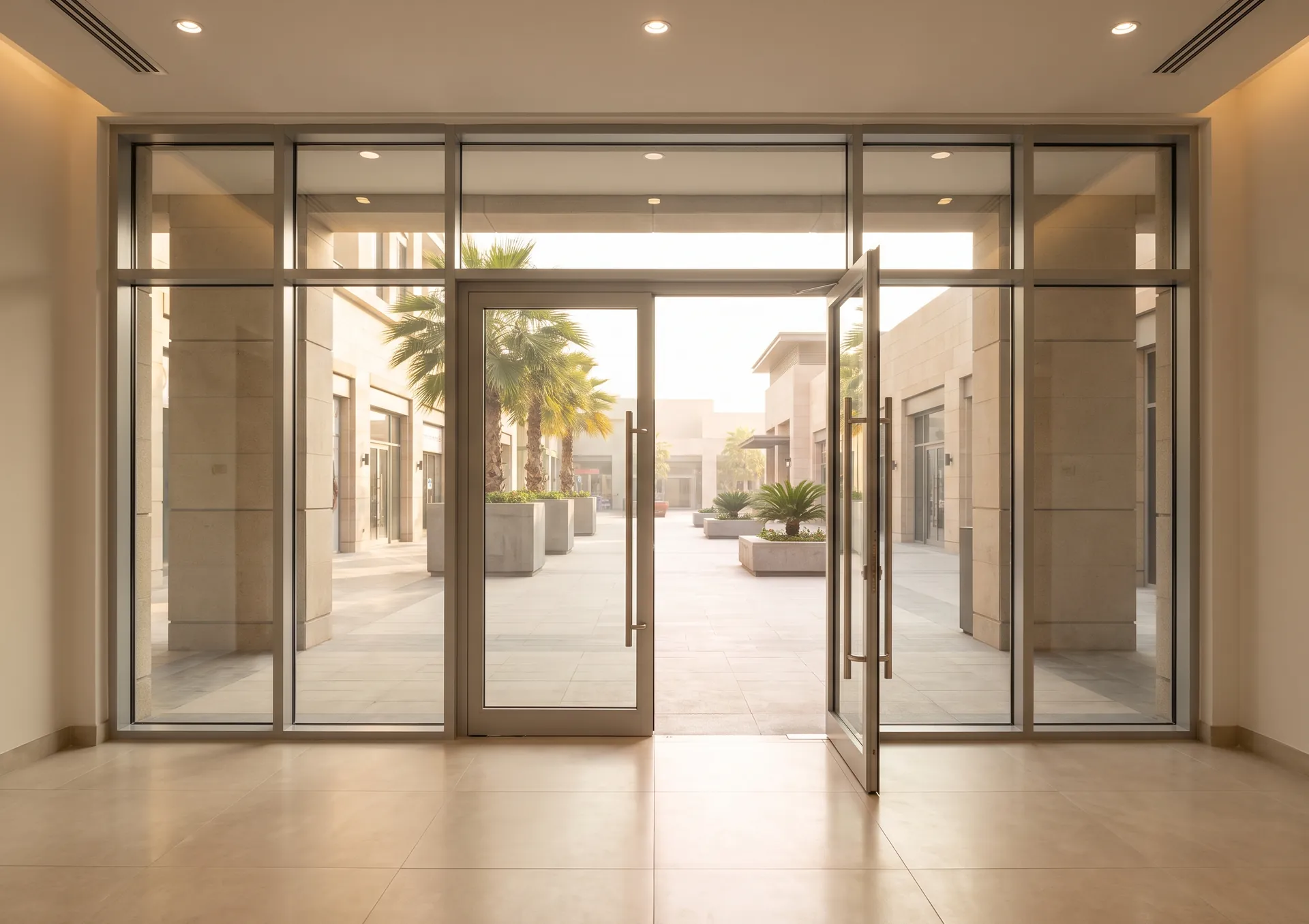
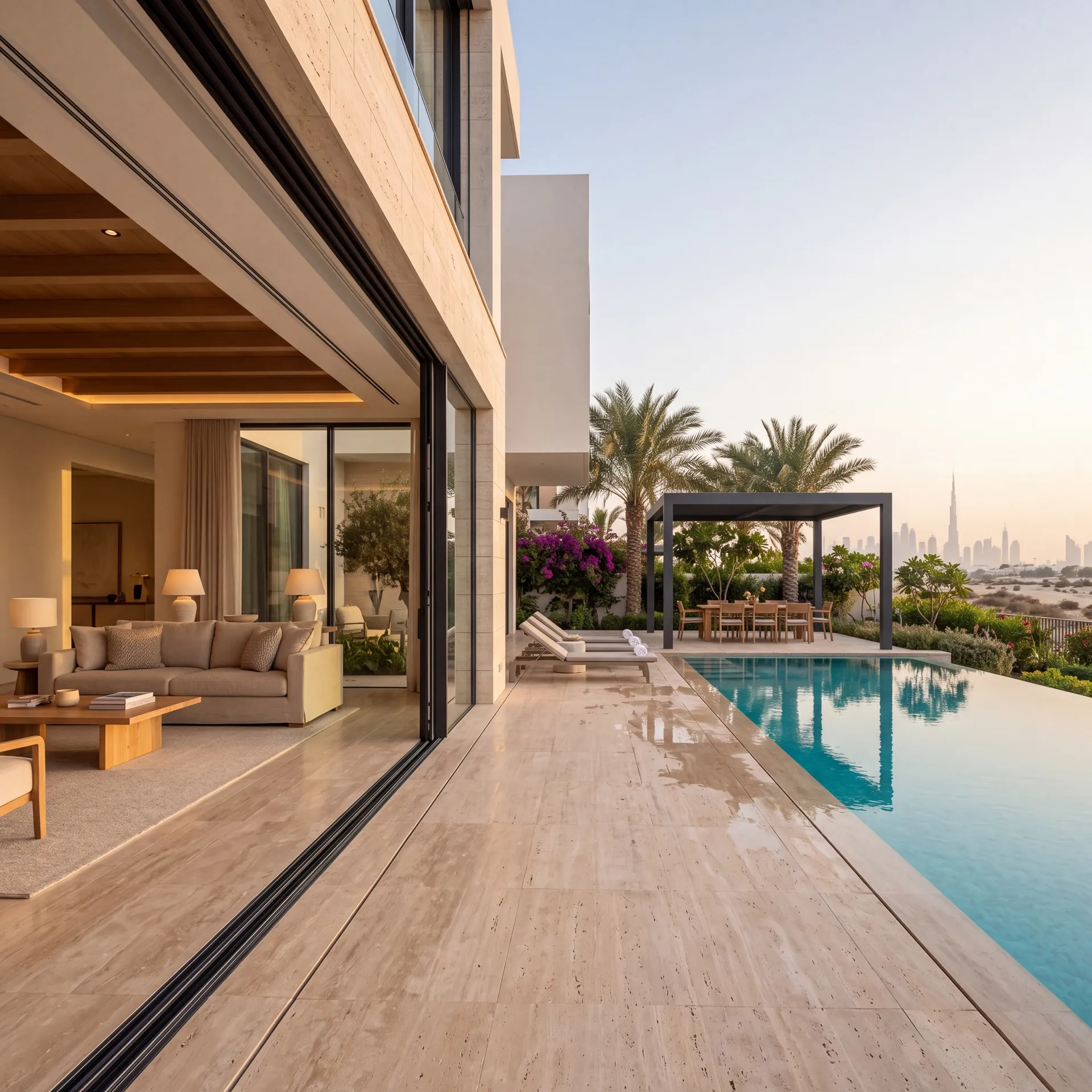
We offer our clients a full range of aluminium doors - entrance, terrace, panel, and automatic. The range includes a variety of locks, handles, and fillings.
More details about Aluminium doors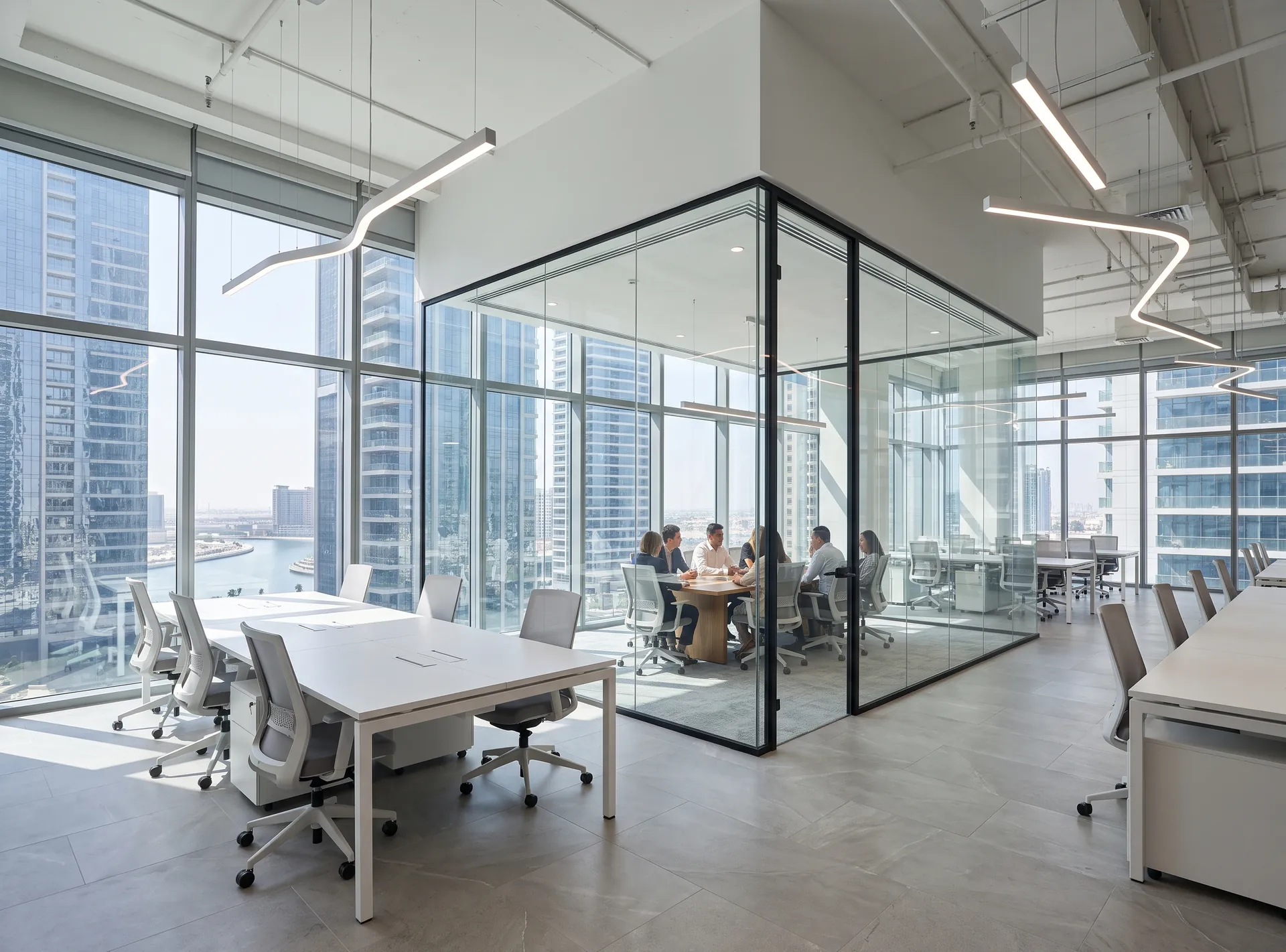
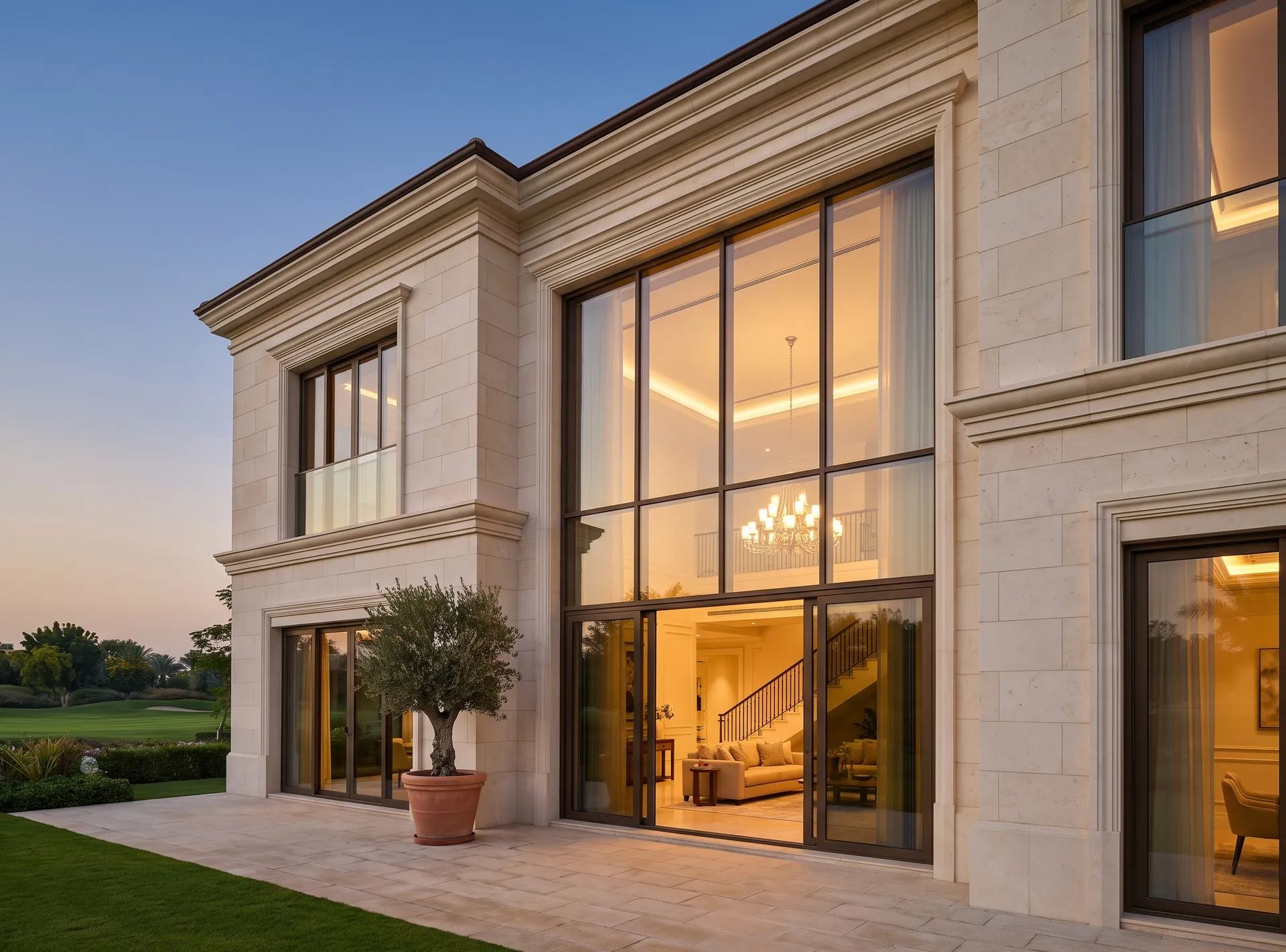
Deflection head
Top
The slab has to stay free to move
Levelling track
Base
Long floor runs are rarely flat
Scribed closure
Wall
Blockwork is rarely truly plumb
Grade, not thickness
Glass
Chosen for where people pass
At standing eye level
Marking
So the pane is not walked into
Get a free calculation for your windows — just leave your number, we'll reply on WhatsApp within 15 minutes.

Pricing
Choose the options — we’ll send the price on WhatsApp
What are we making
Shape and opening
Size
Width and height: 300–6000 mm. Not sure? Clear the fields — we’ll measure at the free survey.
Width under 300 mm — check that it is in millimetres.
Width over 6000 mm — we’ll confirm it at the survey.
Height under 300 mm — check that it is in millimetres.
Height over 6000 mm — we’ll confirm it at the survey.
Enter a whole number of units, 1 or more.
Glazing unit
Extras
Do you need a windowsill?
Do you need a coloured profile?
Do you need installation?
The honest downside
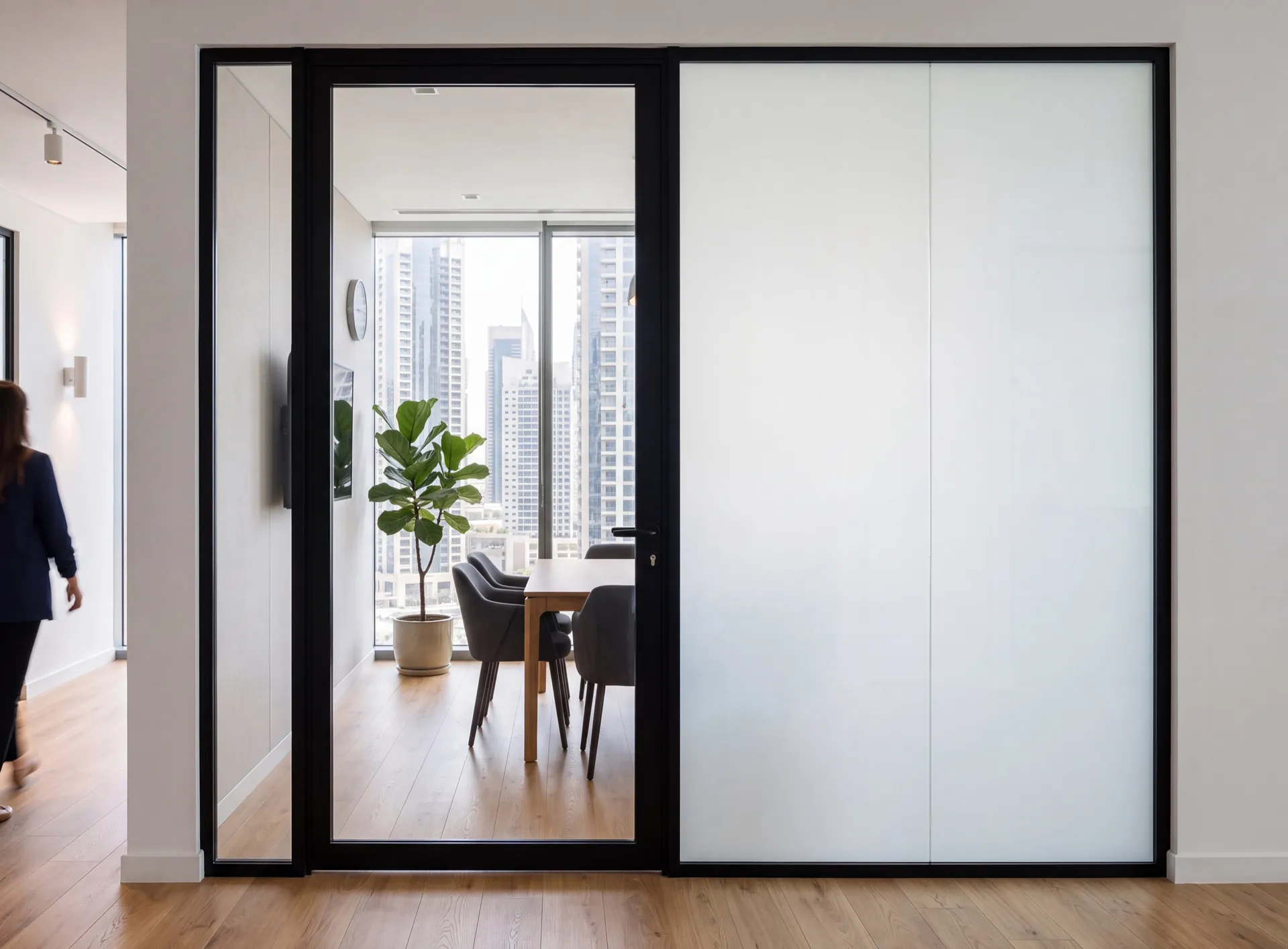
A glass screen gives light, not privacy. Whatever happens behind it is on view unless something is added — a frosted band, a film or a blind — and in a bedroom, a consulting room or a home office that addition usually covers more of the pane than people planned.
It also gives up the wall. Nothing can hang on it: no shelves, no television, no pictures, and no sockets or switches along its length. Both faces collect fingerprints, which in a busy home or a clinic means wiping it far more often than a painted wall.
If a room must be private only at certain times, switchable glass can go milky at the press of a switch; if it must be private and furnished all the time, a solid wall is the honest answer. A glass partition is right where borrowed daylight matters more than wall space.
 Consider instead
Smart glass partitions
Consider instead
Smart glass partitions
Nearby pages and the rest of the catalogue.
Sections
Company
The Pinnacle Building, Sheikh Zayed Road, Office 607
Mon–Fri: 9:00 – 18:00

Profiles, glass units and hardware to see and touch before you choose.

Free measurement
Leave your number — we call back to agree a time that suits you.
We reply within 15 minutes during working hours.